EN
EN



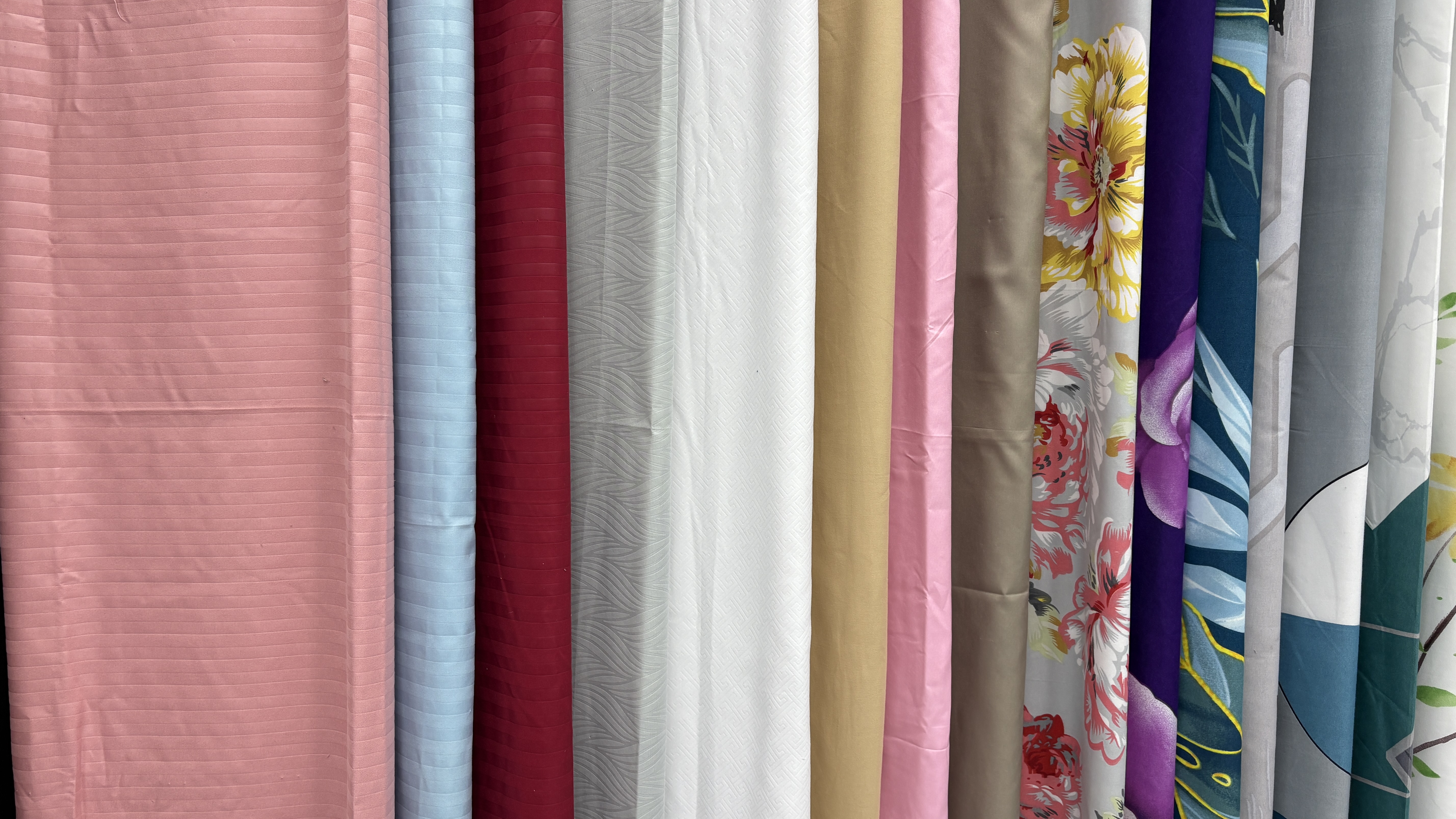
What Determines the Durability of Printed Fabric Bedding?
Key Factors Affecting Longevity of Printed Fabric
Bedding fabrics with printed designs hold up better through regular use if they're built to withstand rubbing, chemicals from laundry detergent, and damage from sunlight. Studies show that all that shifting around at night causes about two thirds of fabric wear, and wrong washing methods can really shorten lifespan too, making fibers break down almost half as fast (Textile Science Journal reported this in 2023). Darker colored prints where the colors are intense just hide signs of wear better than pastel or light patterns do. These darker fabrics keep looking good much longer even after repeated contact with rough surfaces during sleep.
Role of Fiber Composition in Wear Resistance
Cotton and other natural fibers breathe well but tend to break down about 22 percent quicker after repeated wash cycles when tested against polyester blends in lab conditions. The downside with synthetics is that they hold up better over time but don't absorb sweat as effectively, which matters a lot in hot, damp climates where people need fabrics that wick away moisture. There's some promising new stuff happening though with these cross lamination techniques applied to cellulose fibers. These materials seem to strike just the right balance, offering around 34% more strength than regular cotton without sacrificing that soft feel we associate with natural fabrics. Manufacturers are starting to take notice because this could solve some real problems in clothing production.
Weave Type, Thread Count, and Fabric Density
| Characteristic | Optimal Range | Durability Impact |
|---|---|---|
| Thread Count | 300-400 | Prevents pilling |
| Weave Tightness | Percale | Resists snagging |
| Fiber Packing | 98% density | Blocks dust mites |
A percale weave with 350 threads per square inch offers the ideal balance of softness and resilience, outperforming sateen weaves in tear resistance by 18% (Textile Engineering Reports 2023). Thread counts above 500 yield diminishing returns, reducing breathability without meaningful gains in durability.
Print Adhesion and Colorfastness: Ensuring Lasting Print Quality
How Printing Methods Affect Color Retention
When it comes to screen printing, they typically work with plastisol inks that get set around 320 degrees Fahrenheit or so, which gives prints good durability against washing out. Most folks report these designs hold up through about 50 laundry cycles before showing any real signs of cracking, according to a recent study on textile print longevity from last year. Digital printing takes a different approach altogether. Instead of traditional methods, this technique relies on heat activated stuff that actually goes deeper into the cotton fabric by roughly 30%, making colors less likely to run when exposed to moisture. Looking at actual test results might help put things into perspective. Researchers checked out over 200 bedding sets back in 2023 and discovered something interesting: digitally printed items kept about 92% of their initial brightness even after sitting around for two whole years. That's pretty impressive compared to block printed options which only managed around 74% retention rate during the same period.
Testing for Fade Resistance and Wash Fastness
Third-party labs evaluate print durability using standardized benchmarks:
| Test | Industry Standard | High-Performance Threshold |
|---|---|---|
| Accelerated Fading | 300+ light hours | 500+ light hours |
| Wash Cycle Rating | 30 cycles | 50 cycles |
| Abrasion Resistance | 20,000 rubs | 40,000 rubs |
Fabrics meeting all three thresholds exhibit 78% better color retention over five years compared to baseline products (Textile Testing International, 2024).
Digital vs. Block Printing: Durability Compared
Traditional block printing gives fabrics that handmade look many people love, though it does leave behind about 23% thicker ink layers compared to other methods, which can crack when stressed repeatedly over time according to Craft Textiles Quarterly. On the flip side, digital printing keeps things pretty uniform with around 0.2mm thick ink coverage on most designs, and works better when fabrics get stretched out during wear. The latest developments in UV cured inks are opening doors for new approaches that mix the sharp details of digital printing with the warm, organic feel of older techniques. Many textile artists are excited about these possibilities as they try to balance modern efficiency with classic charm in their work.
Performance Comparison of Natural and Synthetic Fibers
Cotton excels in breathability and softness, supporting temperature regulation in sleep environments. However, it typically shrinks 3–5% after multiple washes and fades faster than synthetics. Polyester demonstrates 30% greater wear resistance in abrasion tests and maintains structural integrity beyond 100 wash cycles.
| Attribute | Cotton | Polyester |
|---|---|---|
| Color Retention | Fades after 25 washes | Retains 95% vibrancy |
| Durability | 2-3 year lifespan | 5+ year lifespan |
| Moisture Wicking | Slow-drying | Rapid evaporation |
Data from textile durability studies (2024) confirms polyester’s superiority in high-use settings, though it may sacrifice tactile comfort.
Blended Fabrics: Optimizing Softness and Strength
Mixing 65% polyester with 35% cotton cuts down on shrinkage by around 80% when compared to regular cotton fabrics, yet still keeps about 90% of that nice breathable quality we all want from cotton. These blended materials can handle more than 50 heavy duty washes in commercial laundries without developing those annoying little balls called pills, which makes them really popular for hotels and hospitals looking for durable bedding solutions. Something interesting happened recently too - manufacturers have figured out how to get digital prints on 80/20 polyester cotton blends just as clear as what appears on pure polyester fabrics. Fabric adhesion studies published last year confirmed this improvement, showing these new blends maintain vibrant colors even after repeated washing and exposure to various chemicals found in professional cleaning processes.
How Fiber Choice Impacts Print Longevity
Tests show that polyester's water-repelling fibers hold onto dyes about 40 percent better than regular cotton fabric which soaks them up. When it comes to digital printing, polyester keeps those sharp edges looking good even after many washes at around 300 DPI resolution. Cotton block prints tell a different story though they start getting fuzzy after only about 15 laundry cycles. If someone wants to keep those fancy gradient designs looking fresh for longer, mixing polyester and cotton in equal parts helps prevent colors from bleeding together. Most people find that these blended fabrics stay clear and vibrant for roughly two to three years with normal wear and washing habits.
Proper Care and Maintenance for Long-Lasting Printed Bedsheets
Washing Tips to Preserve Print and Fabric Integrity
Preserve printed bedding by adopting gentle washing practices:
- Turn sheets inside-out and use cold water (below 86°F/30°C) to reduce dye loss
- Select gentle cycles and phosphate-free detergents to limit abrasion
- Avoid bleach and fabric softeners, which weaken fibers and dull colors
Cold-water washing reduces color fading by 75% compared to hot cycles, particularly for digitally printed designs. For stains, pretreat with baking soda paste instead of harsh chemicals.
Drying and Storage Best Practices
Heat is a leading cause of textile degradation. To preserve quality:
- Use low-heat tumble drying (under 15 minutes) or line-dry in shaded areas
- Remove promptly to prevent static buildup and wrinkling
- Store folded in breathable cotton bags with silica gel to deter mildew
Never store damp sheets or use wire hangers, which distort fabric shape and strain seams.
Common Mistakes That Shorten Bedding Lifespan
Over 40% of consumers inadvertently damage printed bedding by:
- Overloading washing machines (keep loads to ¾ capacity)
- Applying high-heat irons directly on printed surfaces
- Stacking heavy items on stored linens, causing permanent creases
Rotate between 2–3 sheet sets to distribute wear and replace pillowcases every six months to balance friction exposure.
Consumer Trends and Market Demand for High-Quality Printed Fabric Bedding
Rising Expectations for Style Meets Durability
More and more people shopping for bedding these days want something that looks great but lasts forever. According to a recent industry report from 2024, about two thirds of shoppers actually care just as much about how long their bedding holds up as they do about how it looks. Many get frustrated when those fancy prints start fading after only 15 to 20 washes. We're seeing similar changes in hotels too. The hospitality sector has cut down on replacing printed sheets by around 40%, thanks to better materials that resist wear and special dyes that stand up to sunlight. To meet this demand, companies making textiles are turning to new digital printing methods. Experts predict this market will expand pretty fast, maybe around 8 or 9 percent each year until 2028. These advances mean colors stay brighter longer and the bedding can take more washing without losing quality.
Sustainability and Transparency in Printed Textile Production
Eco-conscious shoppers evaluate printed bedding through three key criteria:
- Material sources – 58% prefer GOTS-certified organic cotton (Textile Exchange 2023)
- Production ethics – 42% look for OEKO-TEX® or bluesign® certifications
- Supply chain visibility – Brands disclosing factory partners see 31% higher repurchase rates
The move toward circular economy models has fueled a 200% rise in recycled polyester bedding sales since 2021. To meet environmental standards without sacrificing print quality, manufacturers are implementing blockchain traceability for cotton sourcing and using plant-based inks.
FAQ
Q1: How does thread count affect the durability of printed fabric bedding?
Thread count can influence the softness and strength of fabric. 300-400 range is optimal for preventing pilling and ensuring resilience.
Q2: What are the advantages of digital printing over block printing?
Digital printing allows for precise, uniform ink application and retains vibrant colors for longer periods compared to block printing. It's particularly effective on synthetic fibers.
Q3: How can consumers prolong the life of their printed bedding?
Using cold water washes, avoiding harsh detergents and bleach, and employing low-heat drying are key practices. Proper storage also helps preserve fabric integrity.
Table of Contents
- What Determines the Durability of Printed Fabric Bedding?
- Print Adhesion and Colorfastness: Ensuring Lasting Print Quality
- Performance Comparison of Natural and Synthetic Fibers
- Blended Fabrics: Optimizing Softness and Strength
- How Fiber Choice Impacts Print Longevity
- Proper Care and Maintenance for Long-Lasting Printed Bedsheets
- Consumer Trends and Market Demand for High-Quality Printed Fabric Bedding