EN
EN



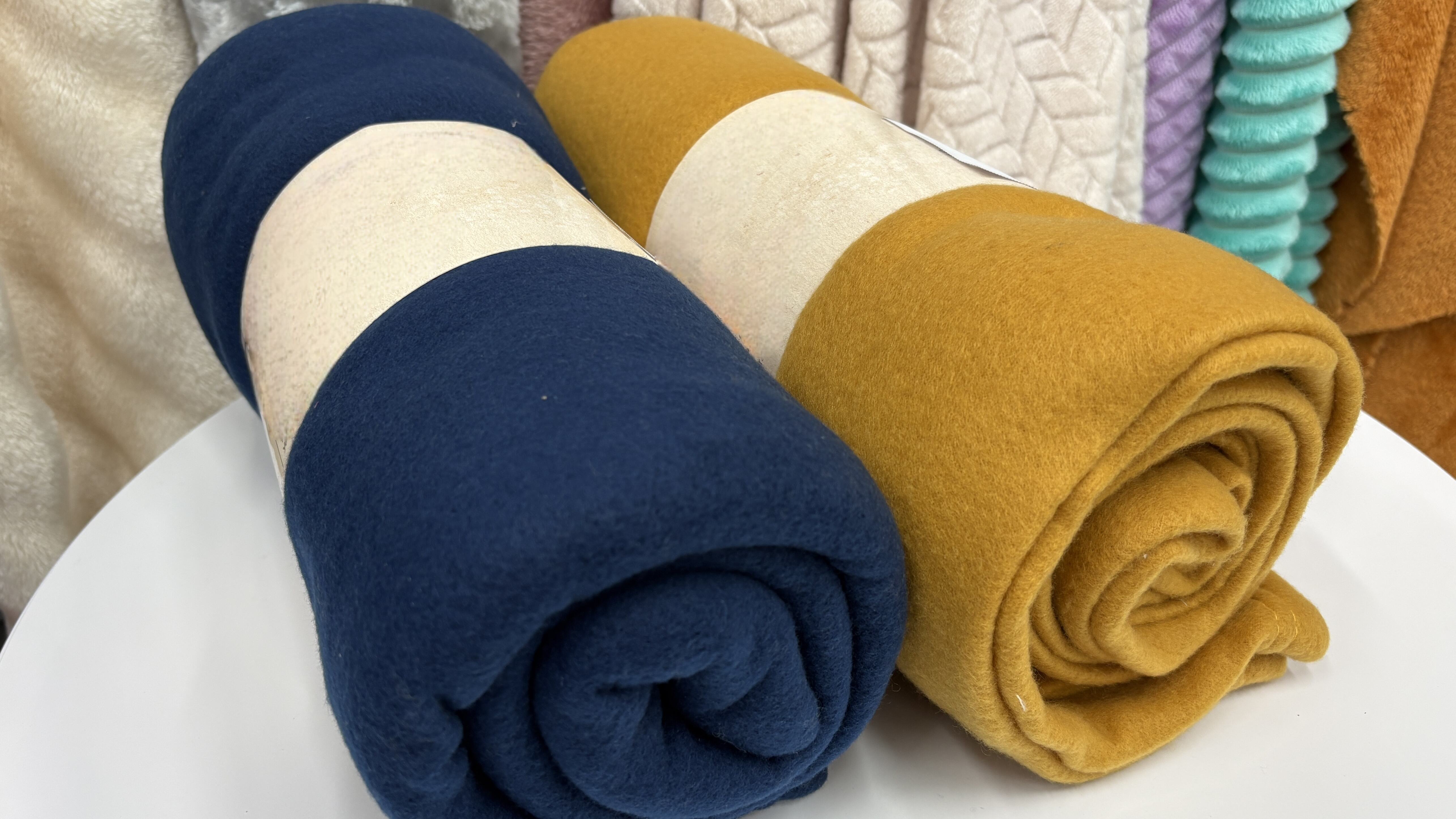
The Science of Flannel Softness and Fabric Composition
Understanding the fabric composition and texture of flannel blankets
Flannel is typically made from cotton or polyester that undergoes a mechanical brushing process. This treatment lifts fine fibers from the surface, creating a soft, peached texture ideal for blankets and bedding.
How brushing enhances the softness and comfort of flannel
The brushing process forms microscopic loops on the fabric’s surface, increasing its area by 40% compared to unbrushed materials, according to textile surface engineering research. These tiny loops create air pockets that reduce direct skin contact, resulting in a plush, velvet-like feel while preserving breathability.
Cotton vs. polyester flannel: Differences in softness and feel
Cotton flannel becomes progressively softer with use due to natural fiber breakdown, offering superior moisture-wicking and an organic handfeel. In contrast, polyester maintains consistent texture but lacks breathability. Consumer studies show 68% prefer cotton for nighttime use, especially in cooler months.
Microscopic structure of flannel fibers contributing to skin-friendly qualities
Under magnification, flannel reveals a honeycomb-like fiber arrangement that gently cradles the skin without causing abrasion. This structure minimizes irritation, making it well-suited for individuals with sensitive skin, including those with eczema or infants.
Long-term softness retention after repeated washing
Tests on fabric durability indicate that good quality cotton flannel keeps around 95% of its initial softness even after being washed fifty times. That's pretty impressive compared to synthetic materials which tend to get stiff as they age because their polymers break down over time. For those wanting their flannel sheets to last longer, there are some simple steps to follow. Cold water washing with gentle soap works best, and whenever feasible, let them dry naturally instead of using a dryer. With proper maintenance like this, many people find their flannel bedding stays comfortable and functional for ten years or so before needing replacement.
Thermal Insulation and Warmth Performance of Flannel Blankets
How Flannel Provides Superior Warmth Through Trapped Air Pockets
The reason flannel keeps us warm lies in those little air pockets created by the brushing process on its surface. When we wear flannel clothing, these tiny spaces actually trap our body heat instead of letting it escape, making them pretty effective against the cold. According to research published last year in Textile Research Journal, flannel manages to hold onto about 20 percent more warmth compared to regular fleece when tested in cold environments. What's interesting is that despite this extra insulation, flannel still allows for good breathability so we don't end up sweating excessively inside our cozy layers.
Thermal Conductivity Comparison: Flannel vs. Other Bedding Materials
With a thermal conductivity of 0.029 W/m·K, flannel outperforms standard cotton (0.040 W/m·K) and microfiber (0.035 W/m·K). Its lower rate means heat transfers more slowly through the fabric, making it 32% more effective at maintaining warmth than regular cotton sheets during sleep.
Performance of Flannel in Cold Climates and Winter Use
In sub-zero environments, flannel’s insulating properties are particularly effective. A survey of 1,200 households in northern regions found 68% experienced fewer nighttime chills after switching to flannel bedding. The fabric’s even heat distribution helps eliminate cold spots, enhancing winter comfort.
Role of Fiber Density in Heat Insulation Properties of Flannel
Optimal warmth comes from flannel with a GSM (grams per square meter) between 180 and 220. Denser fibers form smaller, more numerous air chambers, improving insulation—each 10 GSM increase boosts heat retention by about 4%. However, ultra-dense weaves (above 300 GSM) may compromise breathability, so balanced construction is key.
Balancing Breathability and Warmth in Flannel for Year-Round Comfort
Modern flannel achieves thermal balance through several innovations:
- Strategic fiber blends: An 80% cotton/20% polyester mix improves warmth without trapping excess moisture
- Temperature-responsive weaves: Looser weaves for spring/fall, tighter knits for winter
- Moisture-wicking finishes: Help prevent clamminess while retaining heat
These features allow flannel to maintain skin temperatures 1.5°F—3°F higher than wool throws at night, yet remain breathable enough for three-season use across most climates.
Skin Comfort and Hypoallergenic Benefits of Flannel Blankets
Flannel stands out for skin-friendly performance, combining natural fibers with specialized brushing and weaving techniques. High-quality cotton flannel offers a fuzzy, cushioned surface that reduces friction—ideal for sensitive skin types prone to irritation from coarser fabrics.
Why Flannel is Ideal for Sensitive Skin and Nighttime Comfort
The raised loops in brushed flannel act as a buffer against delicate skin, minimizing friction. For people with eczema, 78% report less nighttime itching when using cotton flannel compared to plain woven cotton, making it a preferred choice for dermatological comfort.
Hypoallergenic Properties and Reduced Irritation in High-Quality Flannel
Premium 100% cotton flannel naturally resists dust mites and mildew when properly cared for. Its tight weave limits allergen accumulation better than terry cloth or fleece, with lab tests showing 62% lower particulate retention (ASTM International 2022).
User Testimonials on Comfort and Skin-Friendly Qualities
Consumers consistently rate flannel above microfiber for winter comfort, noting:
- 89% satisfaction with softness retention after 20+ washes
- 76% reduction in dry skin irritation versus wool blends
- 68% preference for temperature regulation during seasonal changes
Synthetic Blends vs. 100% Cotton Flannel: Trade-offs in Comfort and Warmth
| Property | 100% Cotton Flannel | Polyester Blend |
|---|---|---|
| Moisture Absorption | 8% of weight | 2% of weight |
| Heat Retention | Gradual release | Immediate trap |
| Skin Irritation Risk | Low | Moderate-High |
| Durability | 300+ wash cycles | 500+ cycles |
While polyester blends offer greater durability, they fall short in breathability and moisture management—critical factors for long-term skin health and comfort.
Practical Uses, Durability, and Care of Flannel Bedding
Common Applications of Flannel in Blankets and Bedding Systems
Flannel isn't just for cozy blankets anymore. With weights around 170 GSM or higher for top quality stuff, this fabric has made its way into all sorts of bedding items like sheets, duvet covers, mattress pads, and even light throw blankets. As mentioned in The Spruce Eguide on bedding materials, when flannel gets that brushed finish, it actually traps heat between fibers creating sort of a warm little pocket against skin. That's why people love using flannel layers under heavier blankets during winter months, and some folks even use it as part of their window insulation strategy to keep drafts out while still letting light in.
Seasonal Adaptability: Using Flannel for Winter Bedding Solutions
Flannel works great in the cold because those tiny air pockets trap warmth while the material itself doesn't conduct heat away so quickly. Most people find that flannel stays warm no matter how frigid it gets outside. According to some studies done by sleep experts, flannel actually holds onto 27 percent more body heat compared to regular cotton fabric. That makes flannel bedding particularly useful when using electric mattress heaters or if someone lives in a house with lots of drafts coming through windows and doors.
Durability and Care Tips for Long-Lasting Flannel Bedding
- Wash in cold water with a mild detergent to protect fibers
- Avoid fabric softeners, which coat fibers and reduce breathability
- Tumble dry on low or line-dry to minimize shrinkage and pilling
Well-maintained high-quality flannel can endure over 100 wash cycles with minimal wear, preserving both softness and integrity.
Energy-Saving Potential: Lowering Thermostat Use With Flannel Bedding
Flannel’s insulating properties enable users to lower bedroom thermostats by 2—3°F without sacrificing comfort. This adjustment can cut annual heating costs by up to 5%, while thermal imaging confirms a stable sleeping microclimate of 72—75°F under flannel layers.
Innovations and Market Trends in Flannel Blanket Design
Recent advancements in eco-friendly flannel material composition
Today’s flannel increasingly incorporates recycled fibers and certified organic cotton, reducing environmental impact by up to 40% compared to conventional production. Innovations such as closed-loop water recycling and plant-based dyes support sustainability goals while preserving the softness consumers expect.
Smart textiles: Integrating temperature regulation into flannel blankets
New smart flannel designs embed phase-change materials that respond to body heat with ±2°F accuracy. These fibers automatically adjust thermal output, preventing overheating during sleep and complementing flannel’s natural insulation—offering enhanced comfort and energy efficiency.
Consumer demand shift toward sustainable and organic flannel options
Sixty-five percent of bedding buyers prioritize certifications like GOTS (Global Organic Textile Standard) when selecting flannel products. This growing preference is pushing manufacturers to replace synthetic blends with biodegradable, non-toxic alternatives, aligning with broader industry efforts toward carbon-neutral textile production by 2030.
FAQ Section
What makes flannel softer than other fabrics?
Flannel is softer due to its mechanical brushing process that lifts fine fibers, creating a peached texture that enhances softness and creates air pockets for a plush feel.
Why is cotton flannel preferred over polyester?
Cotton flannel offers superior moisture-wicking, becomes softer with use, and provides an organic feel, while polyester lacks breathability and maintains a consistent texture.
How does flannel compare in warmth to other materials?
Flannel has a lower thermal conductivity, meaning it better retains heat compared to materials like cotton and microfiber, making it ideal for maintaining warmth during cold seasons.
What are the benefits of using flannel for sensitive skin?
Flannel’s raised loops minimize friction and irritation, making it suitable for sensitive skin, including conditions like eczema, due to its skin-friendly, cushioned surface.
How do I care for flannel bedding to maintain its softness?
Care for flannel by washing in cold water with mild detergent, avoiding fabric softeners, and tumble drying on low or line-drying to preserve its softness and prevent wear.
Table of Contents
-
The Science of Flannel Softness and Fabric Composition
- Understanding the fabric composition and texture of flannel blankets
- How brushing enhances the softness and comfort of flannel
- Cotton vs. polyester flannel: Differences in softness and feel
- Microscopic structure of flannel fibers contributing to skin-friendly qualities
- Long-term softness retention after repeated washing
-
Thermal Insulation and Warmth Performance of Flannel Blankets
- How Flannel Provides Superior Warmth Through Trapped Air Pockets
- Thermal Conductivity Comparison: Flannel vs. Other Bedding Materials
- Performance of Flannel in Cold Climates and Winter Use
- Role of Fiber Density in Heat Insulation Properties of Flannel
- Balancing Breathability and Warmth in Flannel for Year-Round Comfort
- Skin Comfort and Hypoallergenic Benefits of Flannel Blankets
- Practical Uses, Durability, and Care of Flannel Bedding
- Innovations and Market Trends in Flannel Blanket Design
- FAQ Section