EN
EN



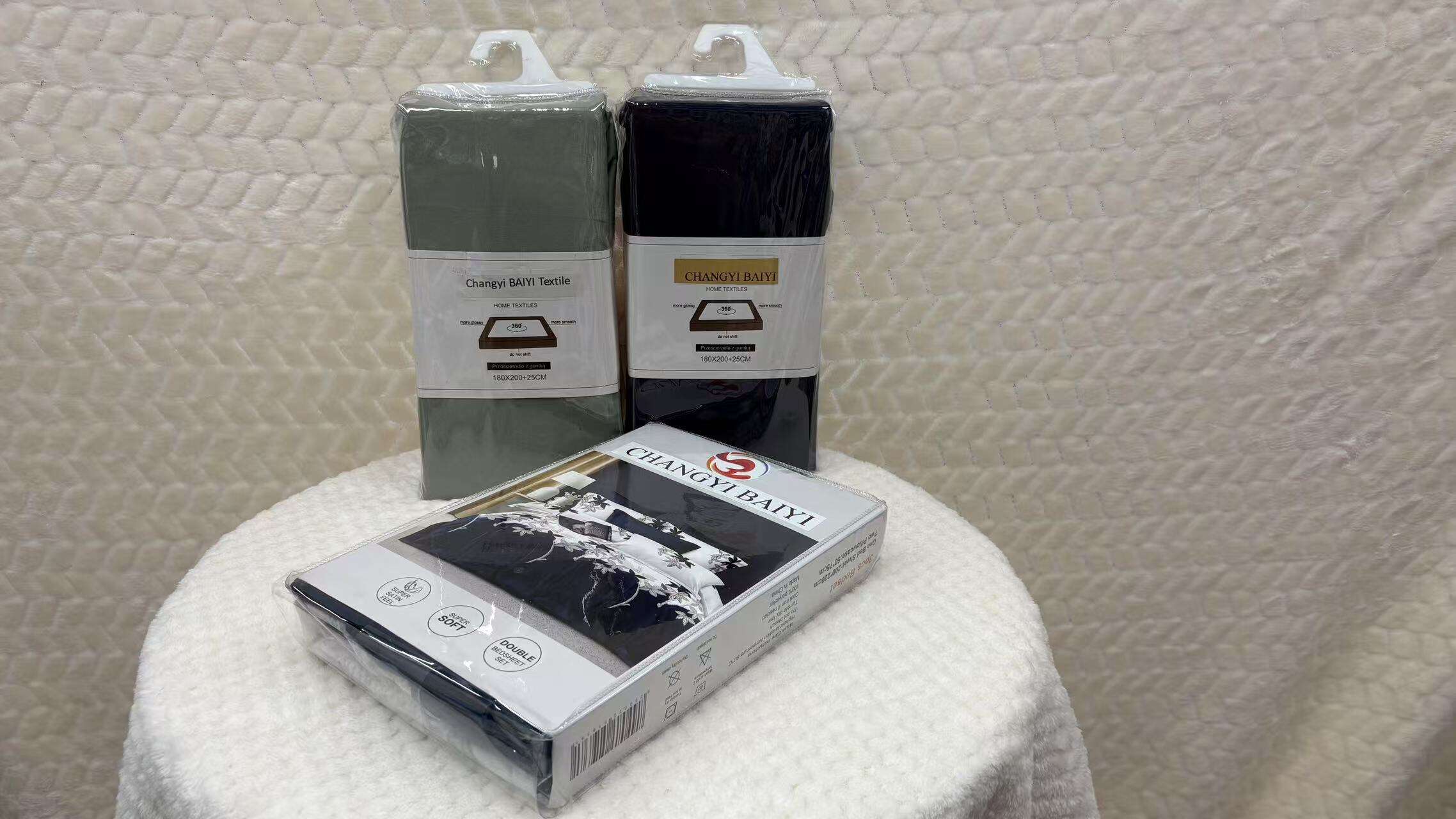
Understanding Bed Sheet Set Materials and Their Care Needs
Common Fabrics Used in Bed Sheet Sets: Cotton, Linen, Silk, and Synthetics
When it comes to bed sheets, what really matters is what they're made from. Cotton still rules the roost because it lets air through and holds up pretty well over time, which makes sense why so many people reach for cotton sheets night after night. Then there's linen, great stuff if you live somewhere warm since it keeps things cool and draws away sweat, but let's face it, those wrinkles can drive anyone crazy. Silk? Oh man, nothing feels quite like silk against bare skin, but don't expect to toss these in the washer without some serious consequences to that silky feel. The budget friendly options come from synthetics such as microfiber, which won't break the bank and fight off stains better than most, although they just don't breathe like natural materials do. And speaking of what folks actually care about, recent surveys show that around two thirds of shoppers look at fabric first before anything else when buying new sheets, mainly because nobody wants to spend hours ironing or dealing with expensive dry cleaning bills.
How Fabric Type Affects Care: Breathability, Shrinkage, and Durability
Material choice directly impacts maintenance routines:
- Cotton: Machine-washable but prone to shrinkage at high temperatures (8–12% average shrinkage at 60°C).
- Linen: Strengthens with frequent washing but demands air drying to preserve fibers.
- Silk: Requires cold water and pH-neutral detergents to avoid degradation.
- Synthetics: Resist wrinkles but trap heat, increasing odor retention if not washed weekly.
Identifying Material Blends and Their Specific Washing Needs
Blended fabrics (e.g., cotton-polyester or silk-bamboo) combine benefits but require hybrid care strategies. For example, a 50/50 cotton-polyester blend can withstand moderate heat but may pill if washed with abrasive fabrics. Always test cleaning methods on inconspicuous areas first.
Checking Care Labels for Bed Sheets to Match Cleaning Methods with Fabric Type
Care labels are non-negotiable guides–a silk sheet washed in hot water loses 40% of its tensile strength in 10 cycles. Look for these symbols:
- Machine Wash: Suitable for cotton and synthetics.
-
Hand Wash/Delicate Cycle: Essential for silk and linen.
A recent study found 78% of premature sheet replacements result from ignoring label instructions.
Washing Your Bed Sheet Set: Frequency and Best Practices
How often to wash bed sheets: Weekly vs. biweekly recommendations based on lifestyle
Washing bed sheets on a regular basis is what most sleep specialists suggest, usually once a week to get rid of dust mites, body sweat, and skin oils that accumulate over time. But obviously this can vary depending on individual habits and living conditions. According to recent studies, around two thirds of folks actually wait about every other week before doing laundry. However, people who deal with allergies or live with furry friends tend to find that washing every seven days works better for them. Those who tend to sweat through their beds at night or live in places where humidity hangs around all year round might want to do 2 or even 3 washes per week just to stay fresh. For athletes who train hard during the day and then crash after workouts, making sure sheets are clean weekly helps stop bacteria from building up, something textile researchers have pointed out repeatedly.
Factors influencing wash frequency: allergies, pets, night sweats, and climate
Four variables justify adjusting wash schedules:
- Allergies: Dust mites double every 10 days in unwashed sheets (Allergy & Asthma Foundation 2023)
- Pets: Pet hair triples skin cell accumulation in beds
- Night sweats: Damp sheets breed 7x more microbes than dry ones
- Humidity: Tropical climates accelerate mildew growth on fabrics
Sorting, pre-treating, and loading bed sheet sets correctly for effective cleaning
Separate dark and light-colored sheets to avoid dye transfer. Treat stains within 48 hours using baking soda paste for sweat rings or diluted vinegar for food spills. Load washers at ¾ capacity to let sheets move freely–overpacking reduces detergent penetration by 40% in performance tests.
Optimal washing machine settings: Temperature, cycle, and detergent choices for bed sheet sets
For cotton and linen sets:
| Setting | Recommendation | Rationale |
|---|---|---|
| Temperature | 140°F (60°C) | Kills dust mites without fading colors |
| Cycle | Delicate/Bedding | Balances agitation with fabric care |
| Detergent | Liquid, fragrance-free | Reduces residue buildup in fibers |
Synthetic blends require cold water and half-dose detergent to prevent static. Always unbutton pillowcases and untie duvet covers before washing–a sleep health survey linked improper fastening to 27% of premature sheet wear.
Drying and Stain Management for Long-Lasting Bed Sheet Sets
Drying Sheets Without Damage: Low Heat or Air Drying for Fabric Longevity
Keeping those bed sheets looking good means pairing the right drying method with what the fabric actually needs. Regular cotton and linen can handle some heat in the dryer, but keep it under 130 degrees Fahrenheit max. The fancy stuff like silk or bamboo blends? Those definitely need to air dry if we want them to last longer without falling apart. Some recent research from textile experts back this up too. They looked at sheets dried at higher temps around 150 degrees and above, and guess what? The threads started breaking down about 40% quicker than when dried on lower settings. Speaking of which, anyone who owns percale cotton sheets knows how much they hate wrinkles. Just give them a good shake halfway through the drying cycle and they come out flat as a pancake most of the time. Saves so much hassle later.
Avoiding Over-Drying and Residue: Managing Heat and Dryer Sheet Use Wisely
Natural fibers can shrink quite a bit in hot water, sometimes around 8% after each wash according to Consumer Reports from last year. Synthetic fabrics tend to get all statically charged if left in the dryer too long. A good idea is to use those dryers with moisture sensors instead of guessing when clothes are done. And don't go crazy with dryer sheets either—maybe just one or two at most per load. The wax stuff builds up on things like bamboo and Tencel sheets over time, making them less breathable. If there's still an odd smell after drying, try hanging the sheets outside for a little while. Sunlight has this natural disinfecting effect without needing any chemicals added.
Effective Stain Treatment by Fabric Type: From Sweat to Spills Using Natural or Targeted Solutions
| Stain Type | Cotton/Linen Solution | Silk/Bamboo Approach |
|---|---|---|
| Body Oils/Sweat | Baking soda pre-soak (1hr) | White vinegar dab (10min) |
| Wine/Coffee | Cold water + dish soap rinse | Hydrogen peroxide spot test |
| Makeup | Rubbing alcohol blot | Cornstarch absorption |
Recent European linen care research shows sun-drying faded 89% of food stains naturally versus 67% with commercial removers. Always treat stains before washing–heat sets organic residues permanently in protein-based fibers like silk.
Storing and Maintaining Bed Sheet Sets Across Seasons
Proper storage techniques: Breathable containers and mildew prevention for bed sheet sets
To keep those sheets looking good for longer, store them in cotton storage bags or baskets lined with fabric so air can move around freely. Plastic containers are actually pretty bad news since they lock in moisture and make mildew grow faster than we'd like. Many people who know about fabrics suggest putting cedar blocks between folded sheets as a natural way to soak up extra humidity from the air. No need for chemicals here folks, just some cedar wood doing what it does best!
Rotating and organizing sheet sets to reduce wear and support seasonal comfort
Extend linen and cotton sheet lifespan by rotating 2-3 sets weekly, distributing wear evenly across collections. Store complete sets together inside a matching pillowcase for instant identification during seasonal changes, while preventing color transfer between patterns.
Deep cleaning before off-season storage: Essential for cotton, linen, and long-term freshness
To get rid of those pesky body oils and leftover soap scum, it's best to wash cotton and linen sheets at around 60 degrees Celsius (that's 140 Fahrenheit for folks in the US) before putting them away for long periods. Using detergents with enzymes really helps tackle tough stains and organic buildup that regular cleaners just can't handle. Make sure everything is thoroughly dry before packing into containers that allow some air circulation. Fabric experts have found that even small amounts of remaining moisture can cut down the life of natural fibers by nearly a third over time. Nobody wants their nice bedding turning into compost after just a few months in storage!
Sustainable and Practical Trends in Bed Sheet Set Care
Balancing Luxury Fabrics With Practical Maintenance Demands
Luxury bed sheet set materials like silk and high-thread-count cotton demand specialized care to preserve their quality. While these fabrics offer superior comfort, their maintenance requires balancing practicality with preservation:
- Gentle washing: Use cold water cycles (≈30°C/86°F) and pH-neutral detergents to prevent fiber damage
- Air-drying priority: Minimize shrinkage in Egyptian cotton by avoiding machine drying
- Storage practices: Fold silk sheets in acid-free tissue to prevent creasing and oxidation
A 2023 textile longevity study found sheets washed in warm water (vs. cold) degrade 47% faster, highlighting how minor adjustments extend fabric life. For bamboo blends, bamboo textile care guidelines recommend avoiding bleach and fabric softeners to maintain antibacterial properties.
Rise in Eco-Friendly Laundry Habits and Sustainable Care for Bed Sheet Sets
Consumers increasingly align bed sheet care with environmental priorities. Key shifts include:
- Reduced wash frequency: Washing every 10–14 days (vs. weekly) cuts water use by 18% without compromising hygiene
- Cold-water washing: Adopted by 63% of households since 2022 for energy savings
- Biodegradable detergents: Growing 22% annually as mainstream brands phase out phosphates
Recent analyses show line-drying bed sheet sets just 50% of the time reduces annual CO2 emissions by 128 kg per household. For seasonal storage, cedar sachets replace chemical moth repellents in 41% of eco-conscious homes, per 2024 sustainable textile reports.
FAQ Section
What are the best materials for bed sheets?
Cotton is popular for its breathability and durability, while linen is great for hot climates due to its cooling effect. Silk offers luxurious comfort but requires careful maintenance, and synthetics provide budget-friendly options with stain resistance.
How often should you wash bed sheets?
It's recommended to wash bed sheets weekly to remove dust mites, sweat, and oils. However, this can vary based on allergies, pets, and individual preferences, sometimes extending to bi-weekly intervals.
What are effective methods to treat stains on bed sheets?
For body oils or sweat, a baking soda pre-soak works well for cotton and linen, while a white vinegar dab is better for silk. Cold water rinses with dish soap tackle wine or coffee stains on cotton, and hydrogen peroxide testing is recommended for silk. Makeup stains on cotton can be blotted with rubbing alcohol, while cornstarch is useful for absorption on silk sheets.
How can you store bed sheets to prevent mildew?
Store sheets in breathable cotton containers or baskets; avoid plastic storage, as it traps moisture and encourages mildew. Consider using cedar blocks to absorb extra moisture naturally.
Table of Contents
- Understanding Bed Sheet Set Materials and Their Care Needs
-
Washing Your Bed Sheet Set: Frequency and Best Practices
- How often to wash bed sheets: Weekly vs. biweekly recommendations based on lifestyle
- Factors influencing wash frequency: allergies, pets, night sweats, and climate
- Sorting, pre-treating, and loading bed sheet sets correctly for effective cleaning
- Optimal washing machine settings: Temperature, cycle, and detergent choices for bed sheet sets
- Drying and Stain Management for Long-Lasting Bed Sheet Sets
- Storing and Maintaining Bed Sheet Sets Across Seasons
- Sustainable and Practical Trends in Bed Sheet Set Care
- FAQ Section