EN
EN



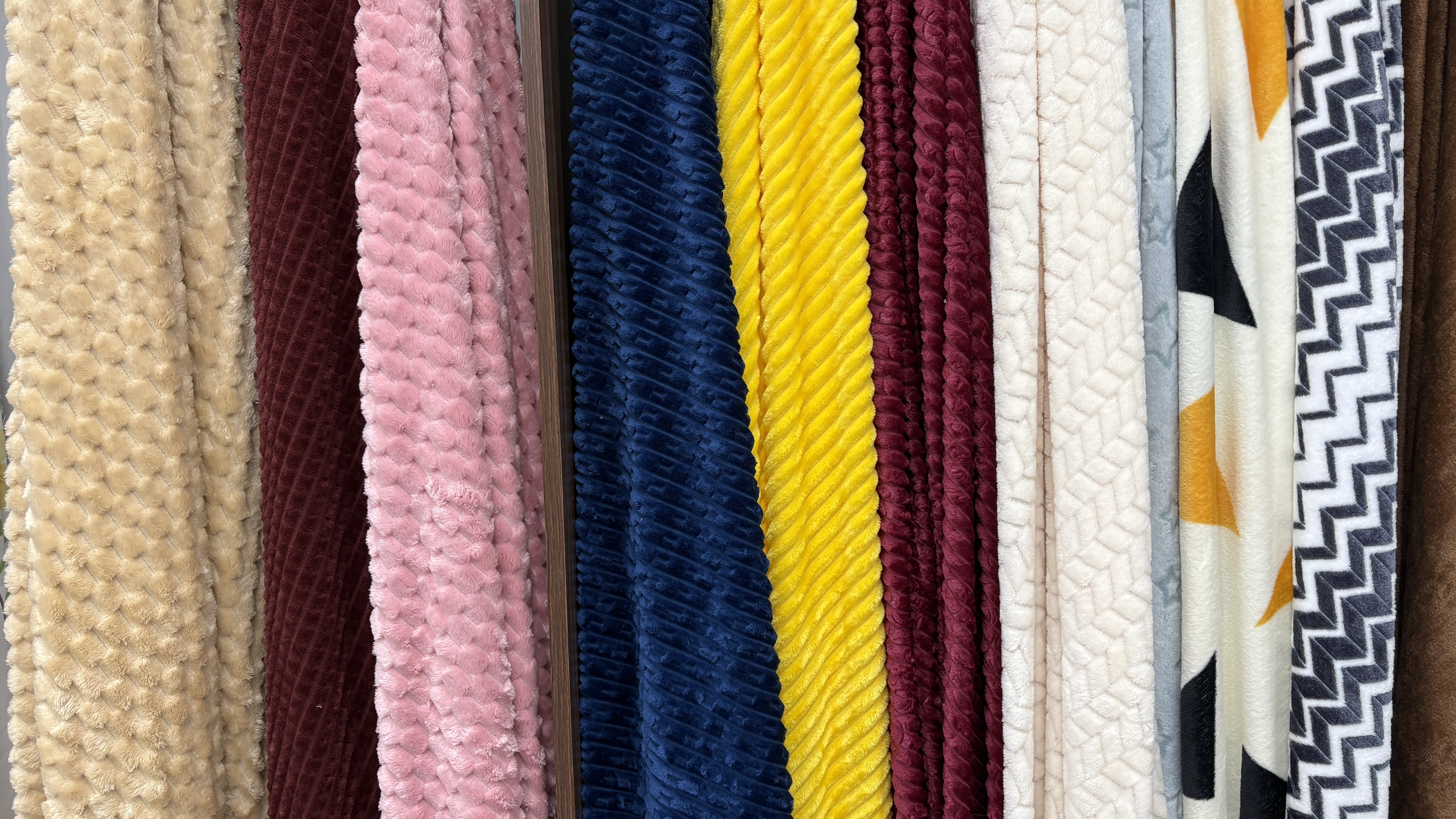
Washing Your Flannel Blanket Safely and Effectively
Use Cool or Warm Water to Protect Flannel Fibers and Prevent Shrinkage
The reason flannel feels so soft is because it's made from cotton or wool fibers that are woven pretty loosely together. These materials tend to shrink around 10% if they get too hot (as noted in Textile Science Journal back in 2023). When washing flannel items, it's best to stick with cool or lukewarm water below about 40 degrees Celsius or 104 Fahrenheit to keep them looking good. If dealing with really dirty blankets, try mixing some baking soda with water first before tossing them in the machine rather than cranking up the heat. This approach works wonders for getting rid of stubborn spots without risking damage to the fabric itself.
Choose Mild Detergent and Avoid Bleach to Preserve Color and Texture
Harsh chemicals like chlorine bleach break down flannel’s natural fibers, leading to premature thinning. Opt for phosphate-free, dye-free detergents–liquid formulas work best to avoid residue in the fabric’s nap. A 2022 Consumer Reports study found mild detergents preserved flannel’s color vibrancy 23% longer than standard options.
Wash on a Gentle Cycle to Reduce Pilling and Fabric Wear
Regular washing creates friction that wears down the soft brushed surface of flannel over time. To keep things looking good, switch to the gentle or delicate cycle on the washing machine and add an extra rinse to get rid of all that leftover soap residue. Older flannels or ones with patterns really benefit from being placed inside a mesh laundry bag during washes. This little trick helps protect those intricate designs from getting stretched out or damaged. Most folks who work with textiles suggest not washing flannel more than about ten to twelve times a year if possible. That might seem surprising at first, but giving these cozy fabrics a break between washes actually keeps them feeling softer for longer periods.
Hand Washing as a Gentle Alternative for Delicate or Vintage Flannel Blankets
Fill a clean tub with cold water and submerge the blanket, gently swishing it for 5 minutes. Avoid twisting or wringing–instead, press the fabric against the tub’s sides to release dirt. This method reduces fiber stress by 60% compared to machine washing (Heritage Textile Institute 2023).
Best Practices for Water Temperature and Soaking in Hand Washing
Never use hot water for hand washing, as it can set stains and shrink fibers. For tough odors, add ½ cup of white vinegar during the soak phase–its acetic acid safely neutralizes smells without damaging fabric. Rinse until the water runs clear, as leftover vinegar can attract dust.
Drying Techniques to Preserve Flannel Softness and Shape
Dry on low heat or air dry to prevent fiber damage and shrinkage
When caring for flannel blankets, stick to low heat settings below 120 degrees Fahrenheit in the dryer or go old school with air drying instead. Hotter temps really take a toll on those cotton fibers, leading to shrinkage that just won't come back and leaving blankets feeling scratchy rather than cozy. Studies show that flannels dried naturally keep about a quarter more of their original softness compared to ones tossed in the dryer. For best results, spread out blankets on a clean rack where they can dry without bunching up, or if hanging works better, make sure they're balanced so the weight doesn't stretch out the corners over time.
Comparing air drying vs. machine drying for long-term flannel care
| Method | Pros | Cons |
|---|---|---|
| Air Drying | Zero energy use, preserves fiber elasticity | Longer drying time (6–8 hours) |
| Machine Drying | Faster (45–60 mins), convenient | Requires vigilant heat monitoring |
While machine drying works for everyday use, delicate fabric protocols recommend reserving air drying for vintage or premium flannel blankets to prevent cumulative fiber stress.
Tips to maintain thickness and softness during the drying process
- Remove blankets from the dryer while slightly damp (90% dry) to ease wrinkles without over-drying
- Shake vigorously before hanging to reactivate the brushed nap
- Fold immediately after drying to minimize contact with dust and humidity
This approach prevents the "crunchy" texture caused by static buildup and heat overexposure.
Avoiding Fabric Softeners and Using Safe Alternatives
Why Liquid Fabric Softeners Can Harm the Natural Softness of Flannel Blankets
Fabric softeners leave behind a waxy film on flannel fibers that cuts down on breathability while trapping unpleasant smells, something recent textile research from 2024 has confirmed. What happens is that this residue builds up in the fabric, making it feel stiffer after multiple washes and messing with how well it can wick away moisture naturally. Flannel blankets are particularly affected because they depend on those loosely woven cotton threads for their cozy warmth and gentle touch against skin. The chemicals in softeners actually speed up the formation of those annoying little pills on the surface and gradually ruin the blanket's original soft texture over time.
Using White Vinegar as a Natural Softener and Odor Remover
Replace chemical softeners with white vinegar during the rinse cycle. A ½ cup of vinegar breaks down detergent residue without compromising flannel’s integrity, as shown in sustainable laundry trials. Unlike commercial products, vinegar’s mild acidity preserves color vibrancy and prevents the "crunchy" feel common in machine-dried flannel.
Alternative Methods to Enhance Softness Without Chemical Buildup
For chemical-free flannel care, consider these options:
| Method | Benefit | Usage Tip |
|---|---|---|
| Wool Dryer Balls | Reduces static + shortens dry time | Use 3 balls per load |
| Baking Soda Soak | Neutralizes odors | Add ¼ cup to wash water |
| Low-Heat Fluff Cycle | Preserves fiber loft | Run 15 minutes post-drying |
These approaches maintain flannel’s plush texture while avoiding the fiber damage linked to traditional softeners.
Common Flannel Blanket Care Mistakes to Avoid
High Heat Exposure Leading to Irreversible Shrinkage and Stiffness
Putting flannel blankets through hot dryers is probably the biggest mistake people make when trying to keep them looking good. According to recent industry research, around two thirds of fabric experts connect early wear and tear with bad temperature control during care. When tossed into a machine dryer on high heat, those fluffy fibers can shrink by as much as 15% right from the first few wash cycles. The brushing that gives flannels their famous soft feel also gets hardened over time from excessive warmth. For best results, stick to gentle heat settings under 120 degrees Fahrenheit or better yet, let them dry naturally. This helps preserve both size and texture over longer periods.
Using Harsh Chemicals and Aggressive Cycles That Degrade Flannel Fibers
Using chlorine bleach or those strong detergents really takes a toll on flannel's cotton fibers, leading to those annoying pills and thin spots after just 10 to 15 washes. Regular washing itself wears things down faster too. Some tests actually found that running gentle cycles kept fabrics looking better for much longer time period. Over six months, these softer settings maintained around a quarter more of the original fabric quality compared to normal washing. When dealing with really dirty blankets, it makes sense to spot treat first with something like oxygen cleaner rather than reaching for harsh chemicals every time.
Overuse of Fabric Softeners Due to Consumer Demand for Softness
Most homes still reach for those liquid fabric softeners because they think clothes will feel nicer after washing (the latest survey from 2024 shows around 72% do this). But what people don't realize is that these softeners actually leave behind a film on flannel fabrics which makes them less breathable over time and can trap unpleasant smells. If someone wants their laundry to stay soft without all the chemicals, try adding half a cup of white vinegar during the rinse cycle instead. The acid helps get rid of those stubborn mineral buildups without messing up how fluffy the fabric stays. Another great option worth considering are wool dryer balls. They cut down on drying time by roughly a quarter and help keep clothes nice and naturally too.
FAQs on Washing Your Flannel Blanket
Can you machine wash flannel blankets?
Yes, flannel blankets can be machine washed. Use cool or lukewarm water and mild detergent, and select a gentle cycle to protect the fibers.
Is hand washing better for flannel blankets?
Hand washing is recommended for delicate or vintage flannel blankets as it reduces fiber stress by 60% compared to machine washing.
How do I dry flannel blankets without damaging them?
Dry flannel blankets on low heat settings or air dry them to prevent shrinkage and maintain softness. Avoid high heat as it can lead to stiffness and irreparable shrinkage.
Why should I avoid using fabric softeners on flannel blankets?
Fabric softeners leave a waxy residue on flannel fibers that affects breathability and softness. Try using white vinegar as a natural alternative instead.
Table of Contents
-
Washing Your Flannel Blanket Safely and Effectively
- Use Cool or Warm Water to Protect Flannel Fibers and Prevent Shrinkage
- Choose Mild Detergent and Avoid Bleach to Preserve Color and Texture
- Wash on a Gentle Cycle to Reduce Pilling and Fabric Wear
- Hand Washing as a Gentle Alternative for Delicate or Vintage Flannel Blankets
- Best Practices for Water Temperature and Soaking in Hand Washing
- Drying Techniques to Preserve Flannel Softness and Shape
- Avoiding Fabric Softeners and Using Safe Alternatives
- Common Flannel Blanket Care Mistakes to Avoid
- FAQs on Washing Your Flannel Blanket