EN
EN



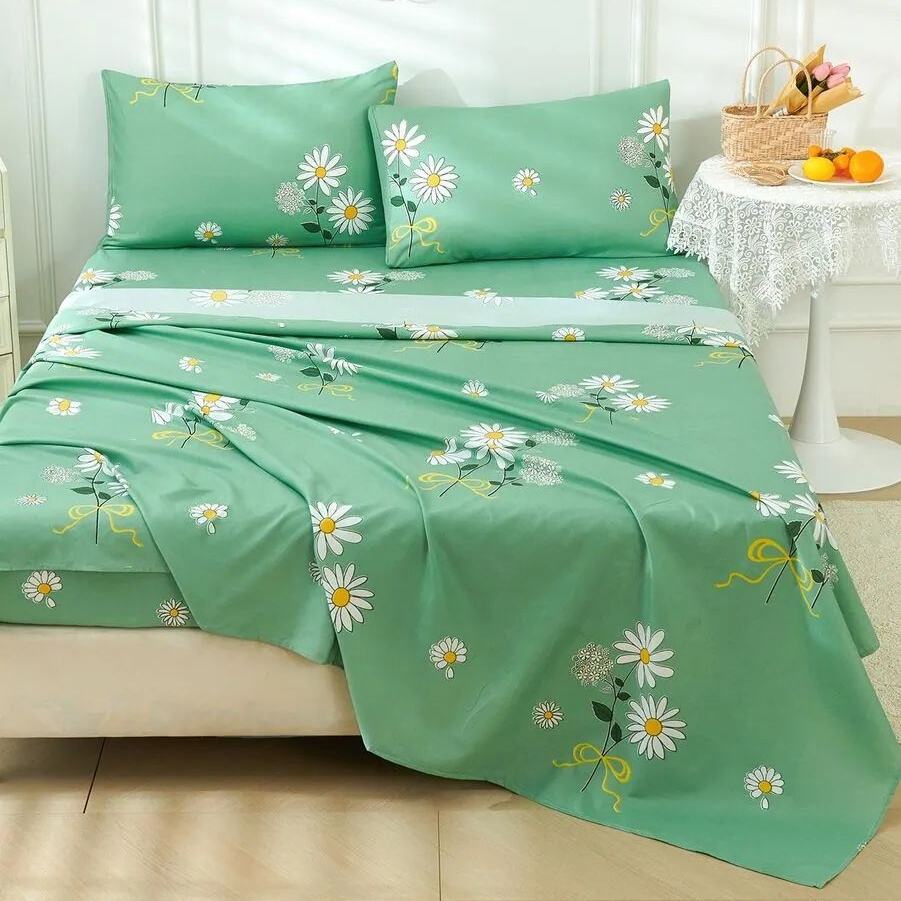
Cost-Effectiveness of Microfiber Fabric Compared to Natural Fibers
Understanding the affordability of microfiber versus cotton and silk
When it comes to softness, microfiber fabric can actually hold its own against premium cotton and silk, all while costing around 62% less on average, as reported by Textile Insights in their 2023 findings. Take a look at actual numbers: silk bedding sets will set buyers back anywhere between $120 to $400, while those fancy long-staple cotton options range from $80 to $250. Meanwhile, microfiber sheets are much more budget friendly, usually falling somewhere between $25 and $95. Why such a big gap? Well, microfiber production is largely automated using synthetic materials, which keeps costs down. Cotton has to go through this whole complicated process from farms to mills, and then there's silk which needs careful harvesting techniques that take time and effort. Most shoppers probably don't think about all that when they're picking out bed linens, but it definitely explains the price tags we see in stores.
Value for money: How microfiber bedding balances low cost with high performance
Microfiber delivers three key advantages for budget-conscious buyers:
- 7x higher tensile strength than standard cotton weaves, reducing rips and tears
- Durability through 500+ wash cycles without significant pilling or fading
- Lower maintenance demands—cold washing and 45-minute drying times vs. cotton’s 2+ hours
A 2024 Consumer Reports analysis found that microfiber owners spent 38% less on replacement bedding and detergents over five years compared to cotton users, thanks to reduced wear and energy-efficient care.
Data-driven comparison: Microfiber vs. cotton sheets on price per use
The long-term value of microfiber becomes clear in price-per-use calculations:
| Metric | Microfiber | Cotton |
|---|---|---|
| Initial Cost | $45 | $110 |
| Annual Replacements | 0.2 | 0.8 |
| 5-Year Total Cost | $63 | $318 |
| Cost Per Sleep Night* | $0.03 | $0.12 |
*Based on 1,825 uses over 5 years (Ponemon Institute 2023 Home Textiles Study)
With a 76% lower cost per use, microfiber outperforms cotton financially while delivering thermal performance within 12% of premium cotton.
Long-Term Durability and Performance of Microfiber Bedding
Resistance to wear, pilling, and fading: Why microfiber lasts longer
The synthetic nature of microfiber gives it amazing resistance to wear and tear. Cotton just doesn't hold up when washed repeatedly, but those super fine polyester threads in microfiber stay intact even after dozens of wash cycles. According to some industry testing, these fabrics can take around 30 thousand double rubs before showing signs of wear, which is roughly double what most cotton fabrics can handle. They also tend to resist those annoying pills that form on clothing and keep their colors looking fresh for much longer. The high GSM weave count makes a big difference too. These denser weaves stop threads from coming apart when subjected to constant friction, something every laundry room warrior appreciates.
Lifespan analysis: Industry data on replacement frequency of microfiber vs. cotton
Textile studies confirm:
- Microfiber bedding lasts 5–7 years with daily use
- Cotton sheets require replacement every 2–3 years
This extended lifespan results from microfiber’s minimal shrinkage (≤2% vs. cotton’s 5–10%) and retained elasticity. Over a decade, households can save $180+ by avoiding the recurring costs of replacing natural fiber bedding.
Quality variance alert: Do ultra-cheap microfiber sheets sacrifice durability?
High quality microfiber sheets rated between 90 and 120 GSM hold up pretty well over time, while cheaper ones below 90 GSM tend to fall apart much quicker according to lab testing. The lighter weight versions usually start showing signs of wear around the seams and corners after about 18 months of regular use. People who actually check those GSM numbers and go for sheets with tighter weave construction can expect their bedding to last nearly three and a half years longer than what comes in the discount store packages. This makes sense when thinking about the money saved in replacement costs down the road.
| Quality Indicator | Budget Microfiber | Mid-Range Microfiber | Premium Microfiber |
|---|---|---|---|
| Average GSM | <90 | 90-110 | 110-130 |
| Wash Cycles Before Pilling | 35-50 | 80-120 | 150+ |
| Yearly Thickness Loss | 12% | 6% | 2% |
Data reflects accelerated wear testing from independent textile labs (2023)
Comfort and Seasonal Versatility of Microfiber Fabric
Softness and Skin-Friendly Texture: User Experience Across Sleep Types
The super fine fibers of microfiber give it this really smooth, almost fancy feel that can actually compete with expensive high thread count cotton but costs way less. The fabric is woven so tight that it doesn't rub against sensitive skin as much, which makes it great for people who get irritated easily or tend to sweat during sleep at night. Cotton still wins when it comes to letting air through, no doubt about that. But what sets microfiber apart is how soft it stays even after being washed countless times. That durability factor explains why so many folks on a budget report loving the texture of their microfiber bedding. According to last year's Textile Comfort Report, around 8 out of 10 shoppers satisfied with their purchase mention the lasting softness as a major plus.
Thermal Regulation and Breathability: Performance in Summer and Winter
Modern microfiber blends offer notable seasonal adaptability:
| Season | Microfiber Performance Feature | Benefit |
|---|---|---|
| Summer | Moisture-wicking surface | Draws sweat away faster than basic cotton weaves |
| Winter | Insulating fiber density | Retains 15% more body heat than linen alternatives |
While not as breathable as Egyptian cotton, mid-weight microfiber provides a practical balance for climate-controlled bedrooms. Its low moisture retention (22% less than standard cotton) benefits humid environments, though arid climate dwellers may prefer natural fibers for better airflow.
Easy Care and Low Maintenance for Active Households
Machine washable and quick-drying: Ideal for busy families and students
For busy households that go through bedding fast, microfiber is a real winner. A recent 2023 survey on textiles showed that almost 9 out of 10 people mentioned they love how easy it is to care for since there are no special washing rules to remember. The drying time is another big plus point. Microfiber dries about 40 percent quicker than regular cotton fabric. This means parents or college kids can do a load of laundry and have clean sheets ready by bedtime. And let's face it, who wants to deal with complicated laundry routines? Regular linen fabrics need gentle cold water treatments while silk often demands expensive dry cleaning services. Not so with microfiber materials. They handle hot water washing just fine without shrinking at all. That makes them particularly good choices for student dorm rooms where multiple people share laundry machines and need quick turnaround times between wash cycles.
Stain resistance and wrinkle-free performance in real-world use
The tight weave of microfiber fabric makes it really good at fighting off stains. Coffee spills and梨菠 just sit on top instead of soaking in, which has been confirmed through tests by ASTM International. What's interesting is how this same dense construction also keeps wrinkles from setting in deeply. Sheets made from microfiber come straight out of the dryer looking almost fresh, no need for pressing. The Bureau of Labor Statistics actually found that families save around 18 minutes each week on ironing their bedding because of this feature. And let's not forget about durability either. Most microfiber fabrics can withstand over 200 wash cycles before showing signs of pilling, making them quite tough for regular home use despite what some might think about synthetic materials.
Frequently Asked Questions
What are the main advantages of microfiber fabric over cotton?
Microfiber fabrics are more cost-effective, durable, and require less maintenance than cotton. They offer better tensile strength, withstand 500+ wash cycles, and cost significantly less over the long term.
Is microfiber fabric suitable for people with sensitive skin?
Yes, microfiber is suitable for people with sensitive skin due to its smooth texture and tightly woven fibers, which reduce skin irritation and generally make it more comfortable for sleepers who experience sweating at night.
How does the cost per use of microfiber sheets compare to cotton sheets?
Microfiber sheets have a 76% lower cost per use compared to cotton sheets, making them a financially superior choice while delivering performance nearly equivalent to premium cotton.
How long do microfiber sheets last compared to cotton sheets?
Microfiber sheets last for about 5-7 years, whereas cotton sheets often need replacement every 2-3 years due to wear and tear.
Are cheaper microfiber sheets durable?
Cheaper microfiber sheets with a GSM below 90 tend to be less durable. Higher quality microfiber sheets with a GSM between 90 and 130 are more durable and can last significantly longer, reducing replacement costs over time.