EN
EN



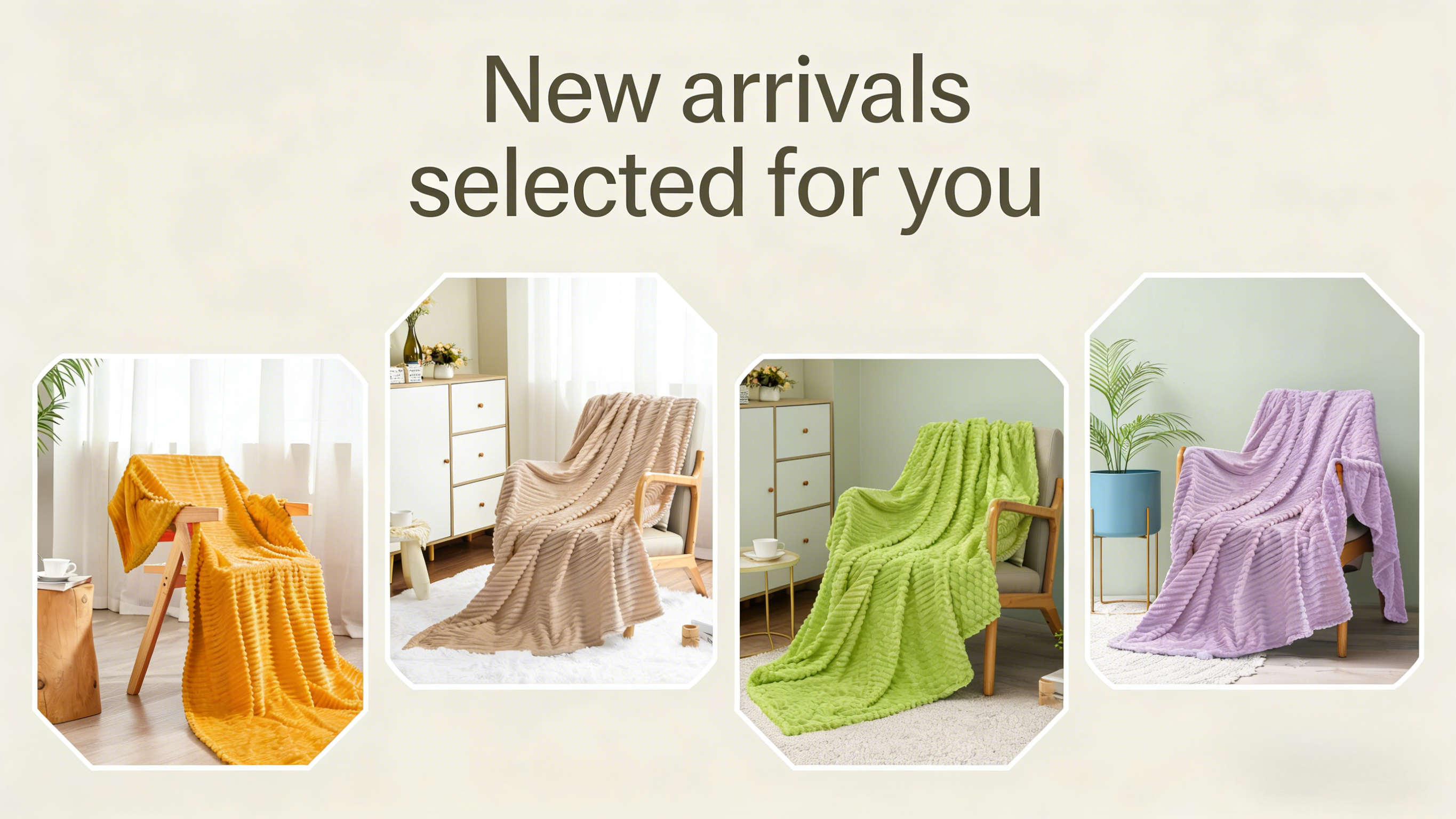
Fabric Type & Thermal Performance: Choosing the Right Blanket Throws for Comfort
The science behind materials plays a big role in making those cozy nights possible, all thanks to how soft, heavy, or drapy blanket throws feel. Wool blankets are thick and warm, wrapping around like a hug, though they can sometimes feel restrictive when moving around. Linen on the other hand stays cool and breathable during summer heatwaves. Then there's the matter of drape how the fabric actually hangs and flows. Stiff blankets just don't feel right next to skin compared to ones that drape naturally over bodies without bunching up awkwardly.
Softness, Weight, and Drape: How Material Science Shapes Cozy Evenings
The interplay of fiber structure determines tactile experience. Fleece, with its brushed surface, traps heat efficiently but can feel bulky. Cotton’s medium weight and natural softness make it ideal for year-round use—balancing warmth without heaviness or overheating.
Wool, Fleece, Cotton, and Linen: A Comparative Guide to Warmth, Breathability, and Seasonal Fit
Selecting the optimal material hinges on your climate and comfort priorities. Use this comparison to align fabric properties with seasonal needs:
| Material | Warmth Level | Breathability | Best Season | Key Trait |
|---|---|---|---|---|
| Wool | High | Moderate | Winter | Temperature regulation |
| Fleece | High | Low | Cold Nights | Quick heat retention |
| Cotton | Medium | High | All-Year | Hypoallergenic softness |
| Linen | Low | Very High | Summer | Moisture-wicking coolness |
Wool excels in frigid settings due to its natural insulation, while linen’s open weave promotes airflow during heat. For transitional seasons, cotton’s versatility prevents overheating. Match your primary use case—intense warmth, breathability, or allergy resistance—to avoid compromising comfort.
Weight, Texture, and Construction: How Weave and Finish Elevate the Blanket Throws Experience
Knit, Woven, Quilted, and Sherpa: Tactile Impact and Heat Retention Explained
How a blanket throw is made really affects how warm it gets, what it feels like, and how long it lasts. Knit blankets tend to stretch well and let air through, which makes them great for putting on top without getting too hot. Woven styles with patterns such as herringbone or baskets are different because they hold their shape better and trap some air between the threads, giving moderate warmth. Quilted throws work differently since they have sewn channels that spread out whatever filling they contain, whether it's real down or something similar. This helps avoid those annoying cold patches while keeping the whole thing fluffy. If someone wants extra comfort though, sherpa or fake fur coatings give that soft, warm feeling similar to wool but these materials generally require less maintenance than actual wool products do.
| Construction Type | Heat Retention | Tactile Feel | Best For |
|---|---|---|---|
| Knit | Low-Moderate | Soft, Stretchy | Summer evenings, breathable comfort |
| Woven | Moderate | Structured, Dense | Year-round versatility |
| Quilted | High | Cushioned, Even | Targeted warmth during chilly nights |
| Sherpa | Very High | Plush, Fuzzy | Maximum insulation in winter |
The thick pile of sherpa fabric keeps about 20% extra warmth compared to regular weaves because it traps body heat so well. Breathability can differ quite a bit though knit cotton and open weave fabrics let air circulate nicely in warm weather, whereas tight weaves in wool or sherpa focus more on keeping things warm. When looking at something that works all year round, mid weight woven throws made from natural materials such as cotton or linen tend to handle sweat better and last longer than synthetics do. The key is picking the right material for where it will be used breathable options work best in damp areas, while those that hold heat are ideal for chilly spots with drafts.
Style Meets Function: Selecting Blanket Throws That Enhance Living Space Aesthetics
Finding just right blanket throws means walking the line between looks good and feels good, which can really upgrade how a room feels overall. When picking out colors, think about what goes with what's already there or maybe throw in something surprising instead. Neutral tones tend to work everywhere forever, but don't be afraid to go bright if wanting to draw attention somewhere specific. Textures matter too. Throw a thick knit over something soft like linen fabric to give furniture or bed extra dimension. Want to know where to put these things? Let them hang off couches in a casual way that still looks put together, or stack nicely on footrests when looking for something more orderly. Some blankets actually do double duty across different weather conditions. Light cotton stuff works great during warm months when air flows are important, whereas heavier wool versions keep folks warm during colder times. These little touches turn ordinary items into parts of a bigger picture that combines comfort with actual thoughtfulness about design.
Practical Considerations: Care, Durability, and Real-World Use of Premium Blanket Throws
Machine Washability, Pilling Resistance, and Long-Term Softness Retention
How well a blanket throw holds up in the washing machine makes a big difference for daily use. Fleece and cotton are generally low maintenance since they can go through regular cycles without much fuss. Wool blankets tend to be trickier though, usually needing special care or dry cleaning services. When it comes to pilling issues, synthetic materials get fuzzy faster on their surfaces compared to those natural fibers that are woven tightly together. Want your blanket to stay soft over time? Skip the high heat setting on the dryer. Letting them air dry actually helps keep the fibers from breaking down, as many fabric tests have shown. This simple step can really extend how long your favorite throw will last.
- Rotate between multiple throws to reduce wear frequency
- Use gentle, cold-water cycles with mild detergents
- Store in breathable cotton bags when seasonal
Natural fibers like cotton demonstrate superior softness retention over 3+ years of use when properly maintained, outperforming synthetics in durability tests. Always verify care labels, as improper washing accounts for 62% of premature textile deterioration in household textiles.
FAQ
What fabric is most breathable for blanket throws?
Linen is the most breathable fabric for blanket throws, making it ideal for summer use due to its moisture-wicking properties.
Which material is best for allergy sufferers?
Cotton is hypoallergenic and offers the best choice for allergy sufferers, providing softness without allergens.
Can wool blankets be machine washed?
Wool blankets generally require special care or dry cleaning and are not recommended for regular machine washing.
Table of Contents
- Fabric Type & Thermal Performance: Choosing the Right Blanket Throws for Comfort
- Weight, Texture, and Construction: How Weave and Finish Elevate the Blanket Throws Experience
- Style Meets Function: Selecting Blanket Throws That Enhance Living Space Aesthetics
- Practical Considerations: Care, Durability, and Real-World Use of Premium Blanket Throws
- FAQ