EN
EN



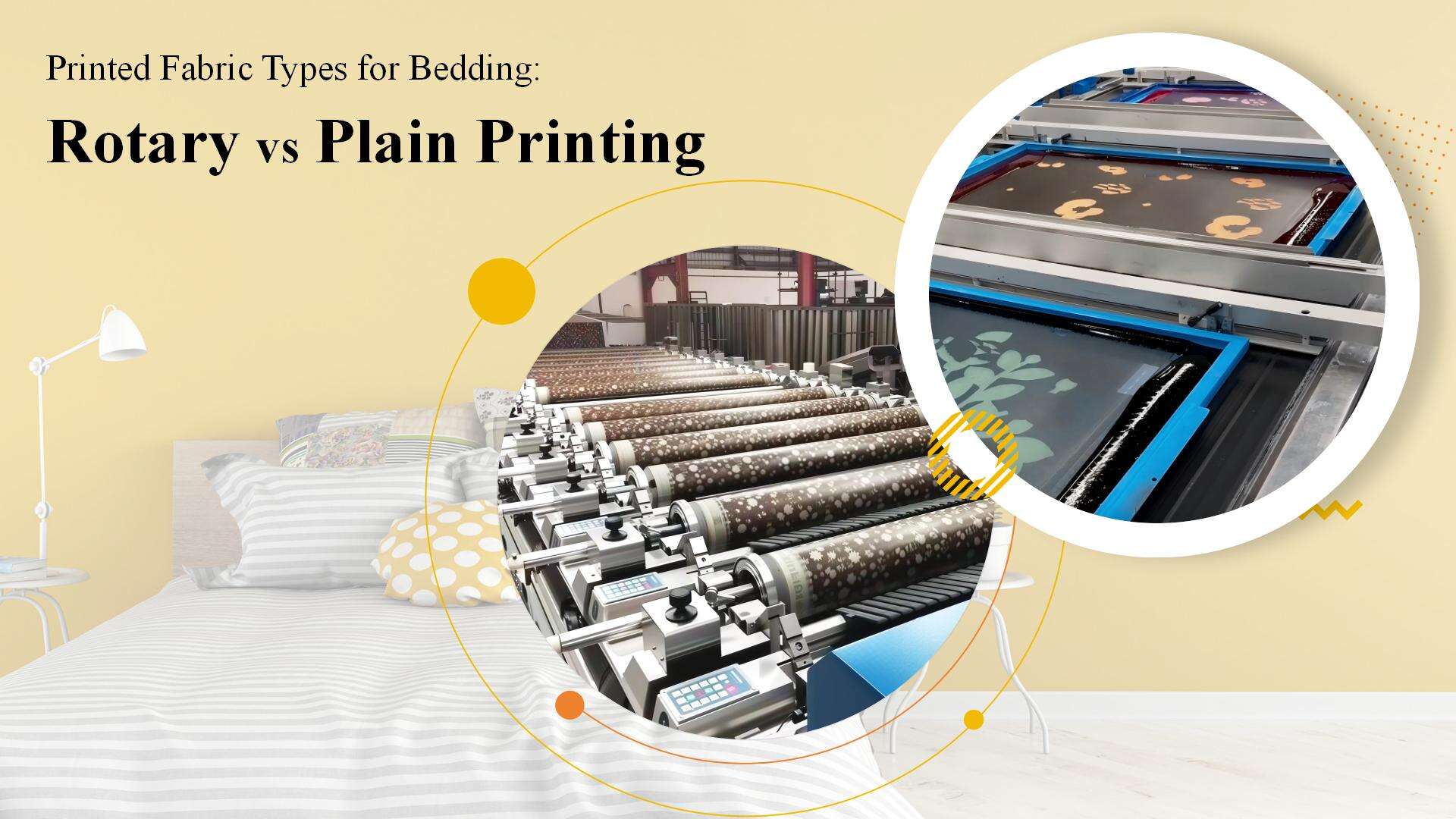
How Rotary Printing Delivers High-Volume Printed Fabric Bedding
For high volume bedding production, rotary screen printing has become the go to method thanks to its roll to roll process. The machines have these continuous cylindrical screens that can run at incredible speeds, sometimes going beyond 1000 yards per hour. This makes them perfect for companies needing to produce massive quantities of printed fabrics for commercial use. When it comes to automation, things get even better. Systems equipped with IoT based tension controls and those fancy volumetric ink pumps actually cut down on defects by around 25 percent according to some recent research from the Ponemon Institute in their 2023 report on print manufacturing efficiency. Plus they significantly reduce material waste across the board.
Roll-to-Roll Precision and Speed: Why Rotary Dominates Commercial Printed Fabric Production
What makes this technique stand out is how it gets rid of those annoying start-stop issues that plague flatbed machines. As fabric moves through the system, it passes under these rotating screens which apply color in perfect sync with one another. The level of control here really matters when companies need to get large orders done quickly. We're talking about turning around 10,000 units in under 18 hours for those seasonal bedding lines that retailers depend on. Looking at the numbers from production floors, these rotary systems hit around 98% accuracy when aligning patterns over long fabric runs stretching past 50 meters. That kind of consistency means customers get exactly what they ordered without unexpected variations in their printed designs.
Best Fabric Substrates for Rotary-Printed Fabric: Cotton Sateen, Polyester Blends, and High-Thread-Count Linen
Rotary printing performs optimally with smooth, tightly woven textiles that withstand high-speed processing:
- Cotton sateen: 300+ thread counts ensure ink adheres without bleeding
- Polyester-cotton blends: Synthetic fibers enhance dimensional stability during rapid drying
- Linen: Requires 170+ gsm weights to prevent screen snagging while retaining natural texture
These substrates maintain color vibrancy through 50+ wash cycles, meeting commercial durability standards per ISO 105-C06:2020.
Why Plain (Flatbed Screen) Printing Excels for Premium Printed Fabric Bedding
Artisanal Control and Layered Ink Application: Achieving Depth in Printed Fabric Design
When it comes to creating top quality printed fabric bedding, flatbed screen printing stands out for its incredible accuracy. While fast rotary methods get the job done quickly, they just can't match what skilled printers accomplish with their layer by layer approach. Each color requires its own individual screen setup, giving artists total control over things like ink thickness, how hard the squeegee presses, and making sure everything lines up perfectly. What makes this method special is how it builds depth in the design. Take those vibrant floral prints for instance - each petal gets its own distinct texture, while sharp lines in geometric patterns stay clean and defined without getting blurry. Because someone actually watches over each step manually, even the most complicated patterns maintain their richness without colors running into each other and messing up the whole look. Luxury bedding made this way looks so good people often mistake it for actual paintings hanging on walls, and all those fine details still show up clearly even after years of washing and rewashing.
Natural-Fiber Synergy: Organic Cotton, Stone-Washed Linen, and Tencel™ as Ideal Printed Fabric Substrates
Natural premium fibers really boost what flatbed printers can do. Take organic cotton for instance its ability to soak up ink evenly means colors stay vibrant longer on finished products. When working with stone washed linen, those little bumps and textures actually create beautiful watercolor effects because the dye settles differently throughout the fabric. Tencel lyocell has this super smooth surface that lets photos look almost three dimensional when printed since the ink spreads so nicely. Most of these materials don't handle rotary printing well at all the tension just messes up the fine weave patterns. Flatbed machines apply much gentler pressure though, which keeps the fibers intact and lets the dye sink in properly something especially important if making high end bed sheets where the softness matters. The combination results in fabrics that look amazing but still feel great against skin after repeated washing.
Key Performance Trade-Offs Between Rotary and Plain Printed Fabric Methods
Durability & Wash Resistance: ISO Test Data Across Fiber Types and Print Cycles
When it comes to how well they hold up in the wash, rotary printed fabrics really stand out. According to tests following ISO 105-C06:2020 standards, polyester blends can go through over 50 industrial wash cycles with less than 5% color loss. Screen printing gives deeper colors for sure, but there's a catch. The thicker ink tends to work its way into the fibers of organic cotton and starts cracking after just around 30 washes. This matters a lot for things like hotel bed linens that get cleaned constantly. The thinner layer of ink used in rotary printing actually lasts much longer, making it a better choice for businesses looking at long term costs and durability.
Pattern Fidelity, Breathability, and Hand Feel: How Ink Coverage Impacts Sleep Comfort
When it comes to plain printing techniques, the way ink gets applied in layers can create patterns down to about 0.1mm precision. However, this process tends to stiffen fabrics by around 40%, according to testing standards from AATCC back in 2021, which also cuts down on how much air can pass through the material. On the other hand, rotary printing keeps most of the fabric's breathability intact at roughly 95% of what we'd expect normally, since it leaves behind much thinner ink layers. But there is a tradeoff here too - those subtle gradient effects just don't look as sharp when using rotary methods compared to plain printing. For people who really care about staying cool during sleep, especially with printed bedding materials, rotary processed linen blends tend to be the go to choice. Meanwhile, folks shopping for high end products often go for plain printing because they love that extra texture and depth it brings, even if it means dealing with stiffer fabrics.
FAQ
What is the main advantage of rotary screen printing?
Rotary screen printing is favored for its high-speed production capability, allowing for rapid printing of vast quantities of fabric, making it ideal for commercial use.
How does rotary screen printing affect fabric durability?
Rotary screen printing generally creates thinner ink layers, which enhances durability and allows the fabric to maintain breathability, making it a cost-effective choice for long-term use.
Why is flatbed screen printing preferred for premium fabric designs?
Flatbed screen printing offers detailed artisanal control, allowing for layered ink application that builds depth and provides a luxurious finish, ideal for high-end bedding.