EN
EN




Pre-Wash Preparation and Machine Washing Best Practices for Washable Duvet Cover Sets
Stain treatment, fastening zippers/buttons, and dust removal before washing
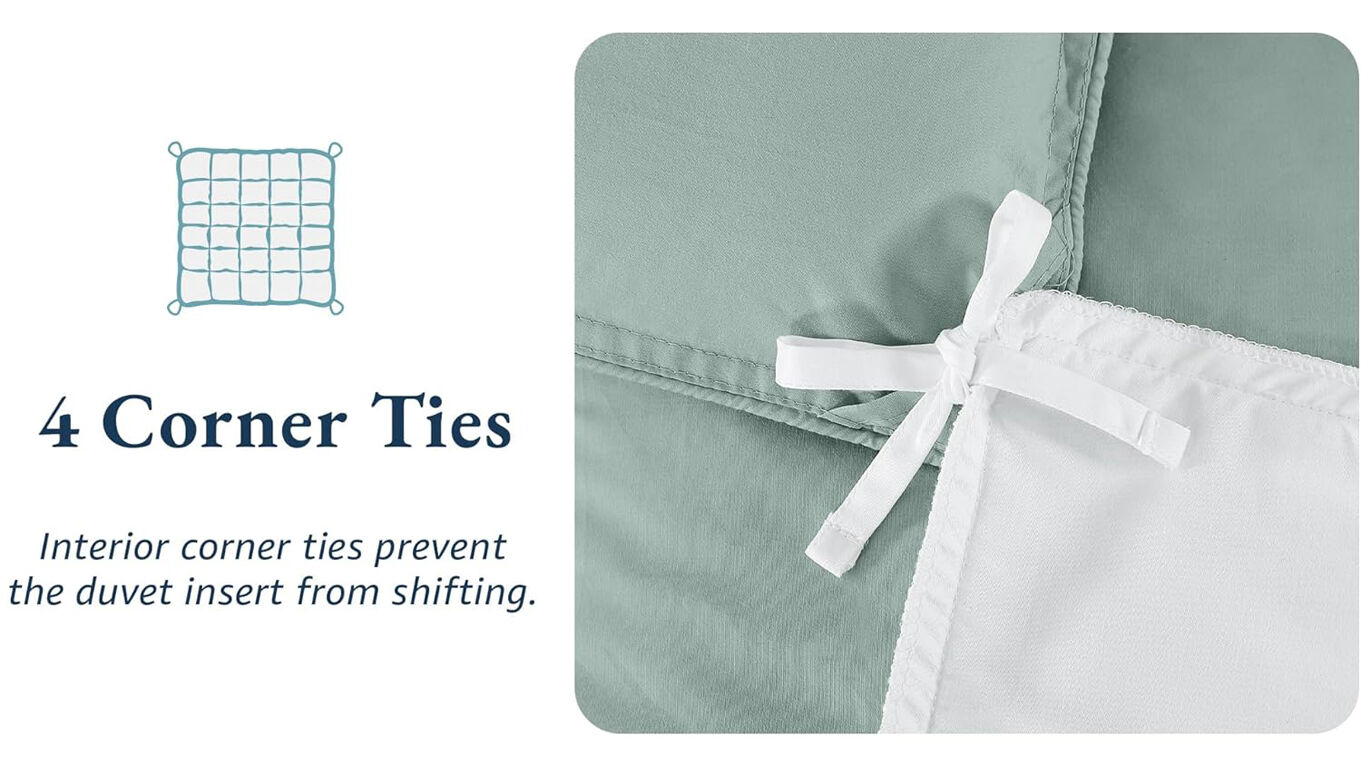
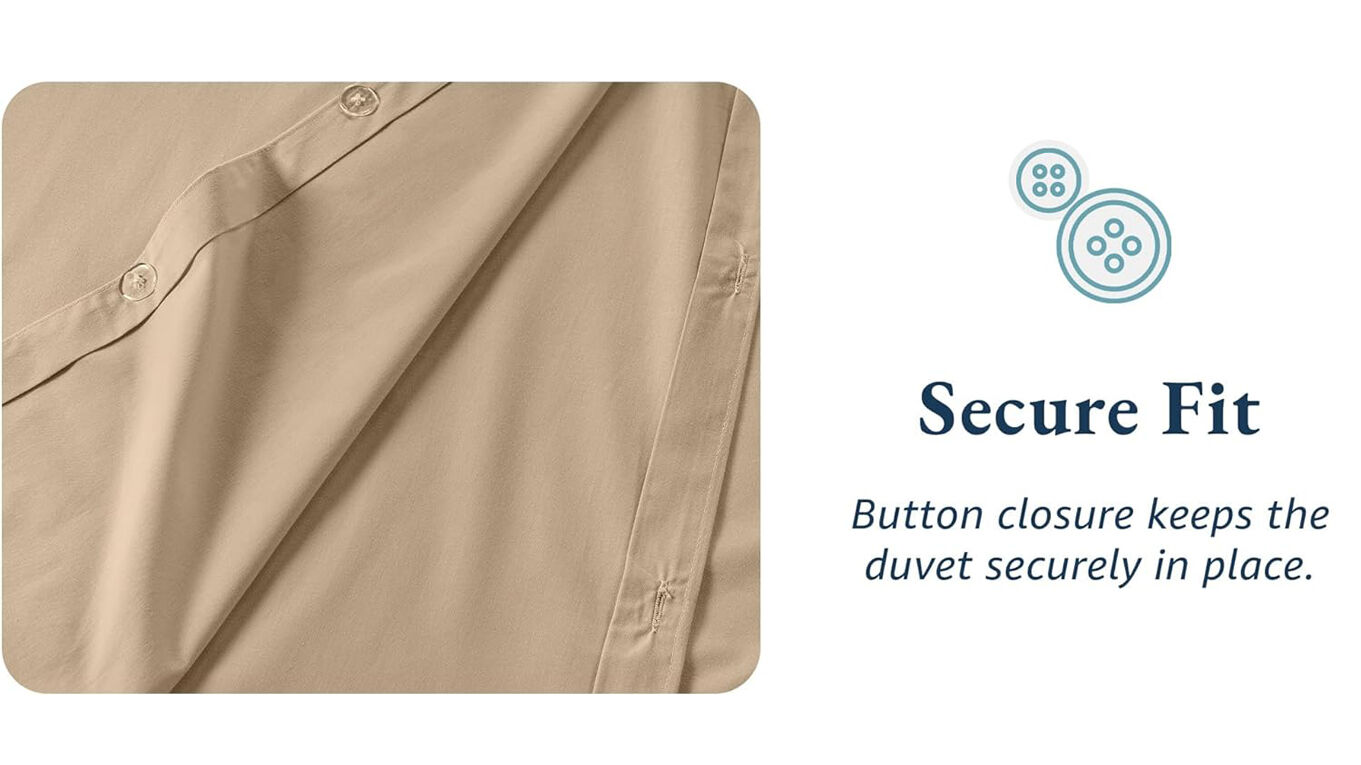
Get on top of those stains right away with something containing enzymes works best for most spots. Just dab gently at the area instead of rubbing which can mess up the fabric fibers. Make sure every zipper is pulled all the way up, buttons fastened tight, and any ties secured before tossing into the machine. This helps prevent annoying snags later on and keeps closures working properly. To get rid of loose dust particles, either shake out the duvet cover outside where possible or run the vacuum over it with the special upholstery tool attached. Taking these few extra minutes really cuts down on wear and tear when it comes time to actually do the washing.
Optimal machine settings: gentle cycle, water temperature, and detergent selection
Opt for the gentle or delicate cycle on your washing machine, keeping the spin speed around 600 RPM max. Cold or slightly warm water below 30 degrees Celsius works best to prevent shrinking, colors from running, and fabric damage particularly important when dealing with cotton, linen mixes, or blended materials. Stick to liquid detergents that are pH balanced for fine fabrics instead of powders which can leave behind residue that actually breaks down fibers over time. If possible, wash just one set of duvet covers at a time. This allows better rinsing and reduces friction between items during the cycle, something many people overlook but makes a real difference in how long their bedding lasts.
Avoiding damage: why bleach and fabric softeners harm washable duvet cover sets
Regular chlorine bleach eats away at the cellulose in cotton and linen fabrics, causing them to thin out visibly after only a couple of washes. Bright colors tend to fade pretty quickly too, sometimes within just five cycles. Fabric softeners aren't much better either. They leave behind waxy stuff that builds up on clothes over time. This buildup makes natural fabrics less breathable, cutting airflow by about 40%. Technical fabrics get their moisture moving properties blocked, while microfiber blends start developing those annoying little pills. A better approach? Try adding half a cup of plain white vinegar during the rinse cycle instead. It works wonders for softening fabrics naturally, gets rid of lingering smells, and helps wash away any leftover detergent. Best part is it doesn't hurt the fabric integrity or how long your clothes last.
Drying, Wrinkle Control, and Ironing Techniques by Fabric Type
Air drying vs. low-heat machine drying to prevent shrinkage in cotton and linen duvet cover sets
Natural fabrics like cotton and linen tend to shrink quite a bit when exposed to heat, sometimes up to around 5% according to those ASTM D1776 tests. For best results, air drying remains the top choice most of the time. Place them flat on a clean surface or hang them somewhere shady where there's good airflow. Sunlight should be avoided since it can fade colors and actually weaken the fabric over time. Give them a turn over roughly every couple hours so they dry evenly throughout. When absolutely necessary to use a dryer, go for the gentle cycle and keep temperatures under 120 degrees Fahrenheit (about 48 Celsius). Take clothes out before they're completely dry and let them finish drying naturally. This helps prevent those annoying wrinkles at seams and keeps everything looking better for longer.
Ironing guidelines and no-iron wrinkle-release tricks for microfiber and silk duvet cover sets
When caring for microfiber fabrics, less really is more. Gently smooth out any wrinkles while the fabric is still damp rather than trying to tackle them when dry. Use low heat steam around 300 degrees Fahrenheit maximum, but only on areas that actually need it. A good trick many people find helpful is applying some kind of plant based wrinkle release spray prior to letting everything air dry naturally. Silk requires even gentler treatment since too much heat can damage its delicate protein structure forever. When ironing silk items, stick strictly to the coldest possible setting below 230 degrees Fahrenheit. Always remember to place a pressing cloth between the iron and fabric, and turn garments inside out first. Steaming works wonders for silk too, especially if done about six inches away from the material surface. Many folks actually get great results just hanging their silk clothes near a running hot shower. Never ever wring silk fabrics or put them in a tumble dryer though. Instead, simply squeeze out excess water carefully by hand and then lay the garment flat somewhere safe to dry completely. This helps maintain that beautiful shine and soft drape that makes silk so special.
How Often to Wash Your Duvet Cover Set—and When to Refresh Instead
Duvet covers should be washed about once or twice a month normally to get rid of sweat, oil from our skin, and those little allergens floating around in the air that actually wear down fabrics over time and let bacteria grow. During summer heatwaves or if there are pets running around the house, someone with allergies, or anyone who gets easily irritated by fabrics, washing them weekly makes a lot of sense. Stick to cold water cycles and gentle detergents that don't mess with fabric colors or weaken how strong the material stays after repeated washes. Most people find that regular laundry soap works just fine as long as it's not super harsh on fabrics.
Between full washes, refresh strategically to extend lifespan:
- Air outdoors for 1–2 hours—UV exposure and airflow naturally suppress microbes without mechanical stress
- Spot-clean spills with diluted white vinegar (1:3 ratio) to avoid harsh solvents
- Use handheld steamers to deodorize and relax light creases
This balanced approach reduces total water exposure by up to 60% annually, directly supporting long-term fabric resilience. In winter, when indoor air is dry and static-prone, prioritize refreshing over washing to prevent brittleness from repeated hydration-dehydration cycles.
FAQs
How should I treat stains before washing duvet covers?
Use an enzyme-containing stain remover and dab gently at the stain to avoid fabric fiber damage.
What machine settings are best for washing duvet covers?
Use a gentle cycle with cold or slightly warm water and a liquid detergent suitable for fine fabrics.
Why should I avoid bleach and fabric softeners?
Both bleach and fabric softeners can weaken and degrade fabric quality over time.
How should I dry my duvet covers?
Air drying is preferred, but if using a dryer, opt for a gentle cycle with low temperature settings.
When should duvet covers be washed or refreshed?
Wash them once or twice a month, or weekly under certain conditions. Refresh by airing out and spot-cleaning.