EN
EN



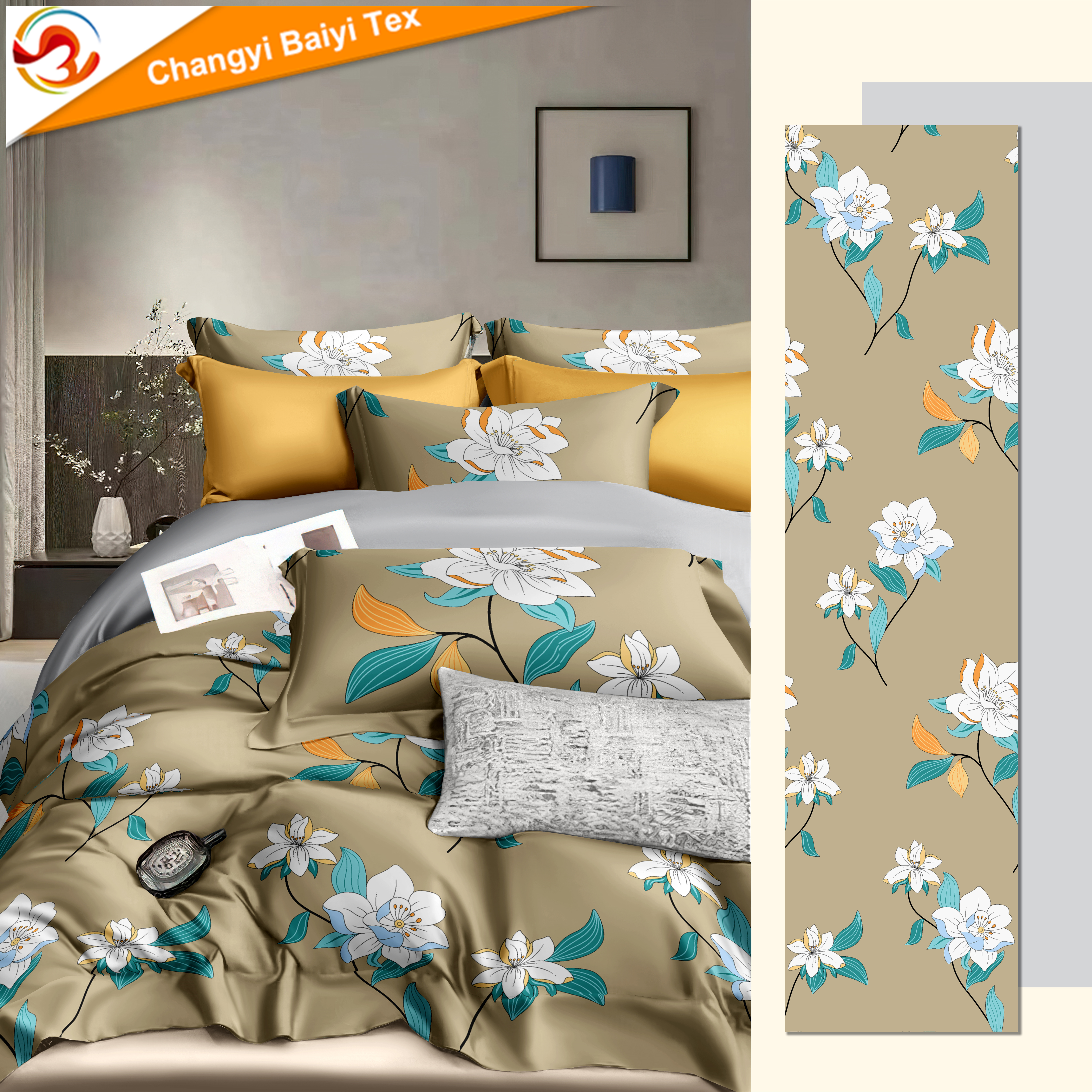
Thread Count, GSM, and Staple Length: Decoding True Fabric Metrics
Why Thread Count Alone Is Misleading—Ply, Twist, and Density Matter More
Thread count still gets all the marketing attention when talking about bed sheets, but honestly it doesn't tell the whole story about quality. When manufacturers boast about those super high numbers like 1000+, what they're really doing is using multiple plies where each twisted strand gets counted separately. The result? Thicker fabrics that don't breathe well at all. Not exactly what we want for comfortable sleep. On the flip side, sheets made from single ply yarns that have been twisted tightly tend to be much better. They create finer, stronger materials that last longer even if the thread count isn't sky high. What really matters is how dense the fabric actually is, measured by how many yarns fit into a square centimeter. Take this example: A regular percale sheet with around 300 threads but packed with 180 yarns per cm² will beat out a fancy sateen claiming 600 threads but only has 120 yarns per cm² when it comes to staying cool and holding up over time. So next time someone raves about their 1200 thread count sheets, look past the number and check for single ply construction, good yarn twist, and real fabric density instead.
GSM as a Reliable Indicator of Weight, Thickness, and Long-Term Durability
GSM (grams per square meter) objectively measures fabric density by weight—cutting through thread count marketing hype. This metric directly correlates with thickness, durability, and functional performance:
| GSM Range | Fabric Type | Durability Profile | Best Use |
|---|---|---|---|
| 90–120 | Lightweight | Delicate, high breathability | Summer sheets |
| 120–150 | Medium-weight | Balanced durability/comfort | Year-round use |
| 150+ | Heavyweight | Maximum pilling resistance | Cold climates/high use |
Sheets below 100 GSM show three times faster wear in standardized abrasion tests, while fabrics at 140+ GSM maintain structural integrity through 200+ washes. For temperate climates, 120–140 GSM delivers the optimal balance—breathable enough for warm nights yet robust enough to last five or more years with nightly use.
Long-Staple vs. Extra-Long Staple Cotton: How Fiber Length Defines Strength and Softness
The length of cotton staples, which is basically how long the fibers are measured before they get spun into thread, plays a big role in determining what kind of sheets we end up with. When we talk about long staple fibers ranging from around 1.1 inches to 1.4 inches, these tend to create much smoother yarns. There's actually about 40 percent fewer loose ends sticking out compared to shorter fibers, so the fabric doesn't pill as easily and feels softer against the skin. Then there are those extra long staple (ELS) fibers that measure over 1.5 inches, like the famous Egyptian or Pima cotton varieties. These special fibers allow manufacturers to spin incredibly fine threads while maintaining surprising strength. The resulting yarn can withstand a lot of stress without breaking apart. Sheets made from ELS cotton have become quite popular among people who want both luxury and durability in their bedding.
- 60% higher tensile strength than standard cotton
- 50% less fiber shedding after laundering
- Progressive softening over 50+ washes without thinning
The longer fibers align more uniformly during spinning, supporting tightly woven, consistent GSM fabrics that retain breathability and resilience over time.
Weave Types and Their Direct Impact on Bed Sheet Fabric Performance
Percale, Sateen, and Twill: Breathability, Drape, Sheen, and Wear Resistance Compared
The tight weave of percale fabric (one thread over, one under) gives bedding that nice crisp look with a matte surface, plus lets air circulate pretty well which is great if someone tends to sleep warm. Sateen has this different weave where three threads go over one, creating that shiny smooth appearance and heavier feel when draped. But those floating threads in sateen actually make it less breathable and not as tough over time compared to other fabrics. Twill fabric stands out because of its diagonal weaving pattern that makes it last longer and resist wrinkles naturally, so it works really well in places where sheets get used a lot day after day. Tests on how fabrics hold up show twill fights off pilling about 60 percent better than either percale or sateen. Percale keeps its nice firm texture even after being washed fifty times or more, whereas sateen might look luxurious at first but doesn't stand up to repeated washing quite as well in the long run.
Beyond Cotton Weaves: Linen, Jersey, Flannel, and Tencel®—Feel, Function, and Seasonal Suitability
The loose, somewhat irregular weave of linen works really well at wicking away moisture, which means people tend to sweat about 25% less during the night than they would with cotton according to Sleep Science research from last year. Jersey fabric has that soft feel similar to regular t-shirts, but it does stretch out after repeated wear so needs careful handling when washing and definitely shouldn't go near high heat dryers. Flannel fabrics have these tiny fibers on their surface that trap warm air, making them great for staying cozy in cold weather. TENCEL™ Lyocell comes from wood pulp that's been sustainably sourced and feels cool against skin all year long because of how it handles moisture naturally plus those silky smooth fibers. The best temperature range for sleeping is around 60 to 67 degrees Fahrenheit (or roughly 18 to 19 Celsius) so rotating bedding materials based on seasons actually makes good practical sense. Use breathable linen stuff in summer months, switch to warmer flannel options come winter time, and keep some versatile TENCEL™ items handy for those in between periods when temperatures fluctuate.
Core Performance Properties of Premium Bed Sheet Fabric
Softness That Endures: How Fiber, Finish, and Weave Interact Over Time
The secret to lasting softness lies in those long staple or extra long staple cotton fibers that just don't break down so easily when washed again and again. Mercerization, which is basically treating the fibers with alkali under controlled conditions, makes them smoother, gives them better shine, and helps colors stick better. Then there's the sateen weave that creates this really nice soft feeling because of how the threads float on top of each other. But here's the thing about softness it needs balance with strength too. Fabrics with around 40 to 80 threads per square inch work best for keeping their shape after lots of washing, roughly translating to 120-150 grams per square meter. And watch out for low twist yarns they tend to come apart at the seams pretty fast and won't hold their original form for long.
Breathability and Moisture Management: Critical for Temperature Regulation and Skin Health
Cotton and linen naturally pull sweat away from our skin around 30 percent quicker than man-made fabrics, as shown in various textile studies. The special weave of percale fabric lets air circulate better, which can actually drop the feel of heat on skin by about 15 degrees Fahrenheit compared to heavier sateen weaves. This makes percale a great choice for people who tend to get sweaty at night or those dealing with delicate skin issues such as eczema. Keeping moisture levels down isn't only about staying comfortable though. When fabric manages sweat well, it also helps stop bacteria from growing and keeps the outer layer of skin healthier, something that becomes really important when wearing bedding all night long.
Durability in Practice: Pilling Resistance, Wash Retention, and Fade Resistance
What makes fabric last? Three main things work together: how twisted the yarn is, how tightly woven the fabric, and the quality of finishing treatments applied. When yarns are tightly twisted and weaves are dense, there's less friction against surfaces and fibers don't migrate around so much, which keeps those annoying little pills from forming. Fabrics that weigh over 120 grams per square meter tend to stay smoother looking after repeated washing cycles compared to lighter materials. For color that stays vibrant longer, look at what kind of dyes were used during production. Reactive dyes certified by OEKO-TEX Standard 100 combined with ozone treatments hold their colors about three times better than regular methods. Want to keep fabrics looking good for years? Steer clear of harsh detergents, skip the chlorine bleach, and definitely don't toss them into high heat dryers.
Certifications and Ethical Standards as Trust Signals for Bed Sheet Fabric Quality
Oeko-Tex® Standard 100: What It Certifies (and Doesn’t) About Safety and Sustainability
The Oeko-Tex Standard 100 is basically a certification program that checks finished bed sheets for more than 100 different harmful chemicals. Think pesticides, heavy metals, formaldehyde stuff, and those allergy-causing dyes we all want to avoid. The main point here is that it makes sure these products are safe for our skin, so there aren't any irritating leftovers from the manufacturing process. But wait! There's something important missing too. This certification doesn't look at how environmentally friendly the farming was, how much water got used during production, what the carbon footprint actually looks like, or whether workers were treated fairly. According to a recent Textile Exchange report from 2023, around two thirds of people shopping for bedding care most about these kinds of safety labels. Still worth noting though, even with all that consumer interest, Oeko-Tex only tells us about chemical safety. It says nothing about if the materials were organic or ethically sourced somewhere else in the supply chain.
GOTS and Organic Cotton Certification: Linking Environmental Responsibility to Fabric Integrity
The Global Organic Textile Standard, or GOTS for short, checks every step of how bed sheets get made. It starts at farms growing organic cotton without those genetically modified seeds, chemical pesticides, or dangerous fertilizers. Then it looks at how the cotton gets processed and whether workers are treated fairly throughout production. Regular safety labels just check one part of this process, but GOTS goes further by requiring things like proper wastewater treatment and making sure factories provide decent working conditions and pay their staff properly. According to a study published in Textile Sustainability Journal last year, cotton certified under GOTS actually uses about 90% less water compared to regular cotton grown conventionally. When manufacturers follow these standards, they end up with better quality fabrics that last longer and perform better over time. What makes GOTS special is that it creates actual proof points along the whole manufacturing journey, turning vague sustainability promises into something real that can be checked and verified through audits.
Frequently Asked Questions (FAQ)
What is the significance of thread count in bed sheets?
Thread count is often used as a marketing term to indicate quality, but it doesn't always reflect the true quality of sheets. Density, ply, and yarn twist are more significant factors.
What does GSM mean for fabric quality?
GSM stands for grams per square meter and provides an objective measure of fabric density. It is a reliable indicator of the weight, thickness, and durability of the fabric.
How does cotton staple length affect sheet quality?
Longer staples create stronger and softer fabrics. Extra-long staples like Egyptian or Pima cotton provide superior durability and luxury feel.
Why are certifications like Oeko-Tex and GOTS important?
These certifications provide assurances on safety and environmental standards. Oeko-Tex focuses on chemical safety, while GOTS covers organic and ethical production practices.
Table of Contents
- Thread Count, GSM, and Staple Length: Decoding True Fabric Metrics
- Weave Types and Their Direct Impact on Bed Sheet Fabric Performance
- Core Performance Properties of Premium Bed Sheet Fabric
- Certifications and Ethical Standards as Trust Signals for Bed Sheet Fabric Quality
- Frequently Asked Questions (FAQ)