EN
EN



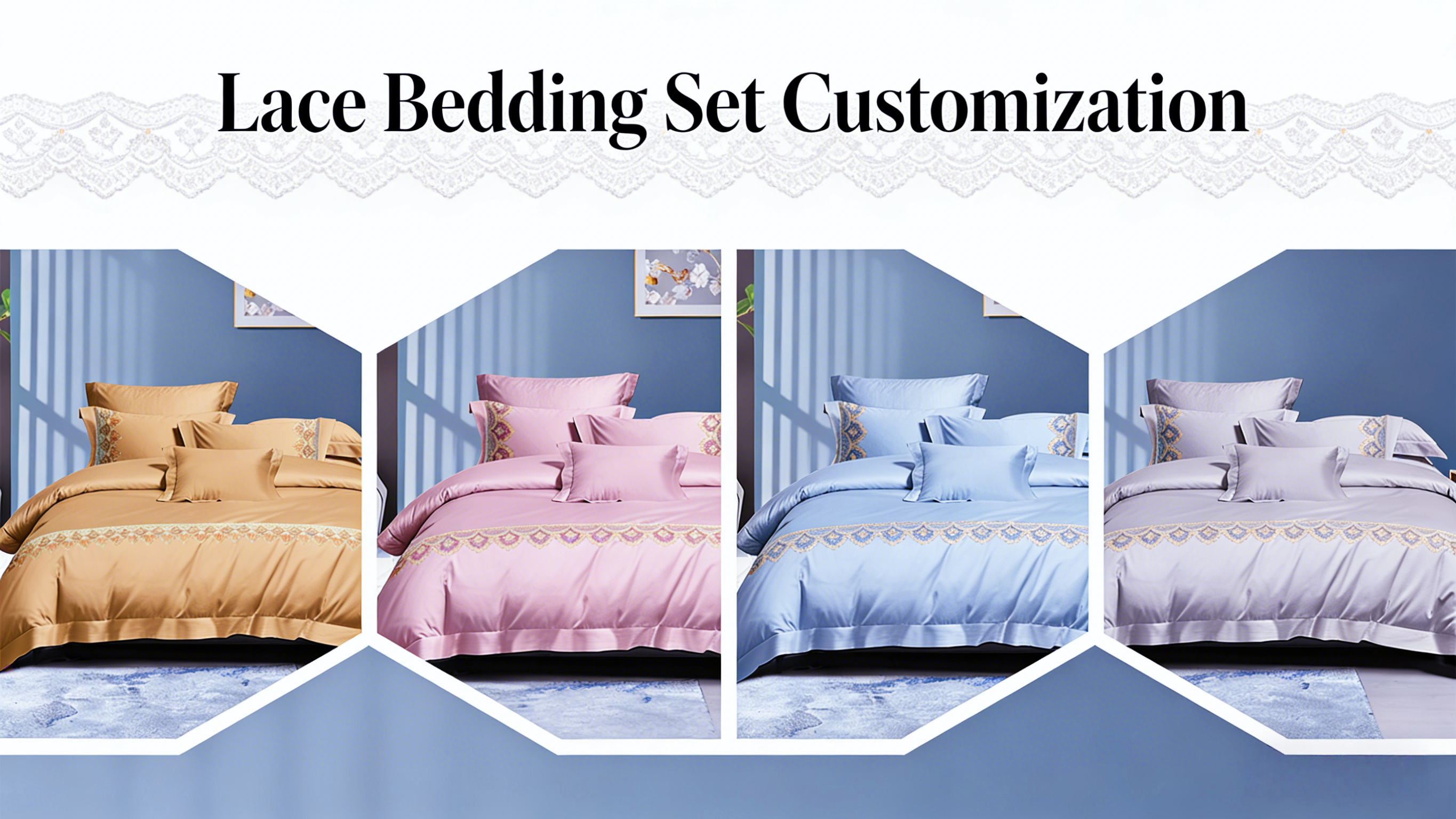
Match Duvet Cover Set Material to Climate, Comfort, and Skin Sensitivity
Cotton, Linen, Microfiber, and Tencel: Thermal Regulation, Breathability, and Hypoallergenic Performance
The material of your duvet cover really affects how well you sleep throughout different seasons. Cotton is pretty versatile all year round because it lets air flow through naturally. In summer it helps draw sweat away from the body, but stays warm enough in winter too. Plus, people with sensitive skin often prefer cotton since it doesn't irritate them much. Linen works great for keeping things at just the right temperature. The weave is loose so lots of air can get through during hot weather, but still gives some warmth when it gets chilly outside. Microfiber is light and keeps things warm, which is good if you live somewhere cold, though it tends to trap moisture and might feel damp in warmer weather. Tencel or lyocell fabric does something special though. It manages temperature without getting too hot or cold. This stuff actually pulls moisture away better than regular cotton does, maybe about half again as much. And the fibers are so smooth they don't let bacteria build up easily. Allergy prone folks should consider microfiber or Tencel covers since they block dust mites pretty well. People who tend to sleep hot usually do best with either linen or Tencel materials. Those looking for something that adapts to seasonal changes without causing skin issues generally stick with organic cotton options.
Debunking Thread Count Myths: What Really Drives Durability and Softness in a Duvet Cover Set
People get confused about thread count all the time, and manufacturers use it way too much as some kind of quality indicator. The truth is fabric stays durable and feels good over time because of longer fibers and better weaving, not just how many threads are packed in there. Cotton that comes from long staples like Egyptian or Pima cotton doesn't pill easily and keeps its shape after countless washes no matter what the thread count says. How the fabric feels has everything to do with the weave pattern. Percale weaves have that tight crosshatch look (one thread over, one under) which makes them cool and tough to wear out. Sateen fabrics float four threads over one creating that silky smooth touch but they don't hold up as well against rough treatment. What happens during finishing matters too. Mercerized cotton gets stronger fibers with better shine and holds together better. Watch out for those "1000 thread count" labels since companies often trick consumers by counting multiple plies or using thinner threads that actually break down faster. When picking out bedding that lasts, focus on where the cotton comes from, how it's woven, and what kind of finish was applied instead of getting caught up in thread count numbers.
Ensure Flawless Fit and Functionality in Your Duvet Cover Set
Sizing Precision: Measuring Your Duvet + The 2-Inch Rule for Ideal Drape and No Bunching
Getting the right size makes all the difference when it comes to comfort and how well a duvet works. Measure your existing insert carefully for width and length first. Then pick a cover that's about two inches bigger on each side. This little extra space lets the cover hang properly without pulling too tight (which can actually break seams over time) or leaving too much loose fabric around (that just gets bunched up and tangled). Covers that are too big add bulk and mess with sleeping position, while ones that are too small make inserts puff out everywhere, messing up both warmth and looking neat. Tests done by textile experts back up these two inch measurements as the sweet spot for airflow and keeping heat in consistently without any gaps forming between the insert and outer cover according to Textile Performance Review from last year.
Key Construction Features: Interior Corner Ties, Envelope Closures, and Secure Button/Hook Alignment
What makes quality duvet cover sets stand out from the basics? Let's look at three key differences. First, interior corner ties these are little fabric loops stitched into corners help keep the filling in place so it doesn't bunch up when we move around at night. Then there are envelope closures basically overlapping fabric sections tucked into the hem that get rid of those annoying zippers while hiding the fill completely for smooth, unbroken lines across the bed. When covers use buttons or hooks instead, manufacturers often arrange them in staggered double rows vertically offset from each other. This spreads out the pressure on seams and means no single fastener takes all the strain. According to recent studies in sleep ergonomics, covers with all these features cut down on fill shifting by about 78 percent over simpler designs. The Sleep Ergonomics Journal published findings supporting this back in 2023.
| Feature | Function | Benefit |
|---|---|---|
| Interior corner ties | Attach insert to cover corners | Prevents clumping and uneven filling |
| Envelope closures | Hidden overlapping fabric panels | Eliminates snagging, contains insert |
| Staggered button/hooks | Reinforced seam alignment | Distributes tension, prevents bursting |
Curate Cohesive Style with Your Duvet Cover Set
The bedding in your bedroom sets the overall look and feel of the space, so it pays to be thoughtful about what you choose. Start with colors that match up with things that stay put in the room. Soft neutral shades like ivory, oatmeal, or dove gray create a calming atmosphere and work well with almost anything. For something more dramatic, jewel tones such as emerald green, sapphire blue, or amethyst purple bring a sense of depth and elegance. When it comes to patterns, think about size too. Small prints tend to work best in simple Scandinavian style rooms, whereas bigger botanical designs or geometric shapes really stand out in more colorful, mixed-up spaces. Mixing textures makes a big difference too. A rough linen pillow cover looks great against smooth satin sheets, just like a fuzzy boucle blanket pairs nicely with crisp cotton percale. Seasons change naturally give us chances to update our bedding collections. Light percale fabrics in pastel colors are perfect for summer days, while heavier materials like velvet or brushed cotton in darker shades like burgundy or forest green make winter nights cozier. Ultimately, go with what speaks to your style. Whether you're drawn to Japanese simplicity, laid-back California vibes, or sleek black and white schemes, keeping materials, colors, and proportions consistent throughout will help create a bedroom that truly feels like home.
FAQ
What material should I choose for a duvet cover if I have sensitive skin?
For individuals with sensitive skin, it is recommended to opt for materials like cotton or Tencel, as they are known for their soft feel and hypoallergenic properties.
Why is thread count not a reliable indicator of quality?
Thread count often misleads consumers because durability and softness depend more on fabric weaving, fiber length, and finishing than merely the number of threads per inch.
What is the benefit of using interior corner ties in duvet covers?
Interior corner ties help keep the duvet insert properly aligned with the cover, preventing clumping and uneven distribution of filling.
How does the 2-inch rule impact duvet cover sizing?
The 2-inch rule ensures that the cover is slightly larger than the duvet insert for optimal drape and comfort without excessive extra fabric or tightness.