EN
EN



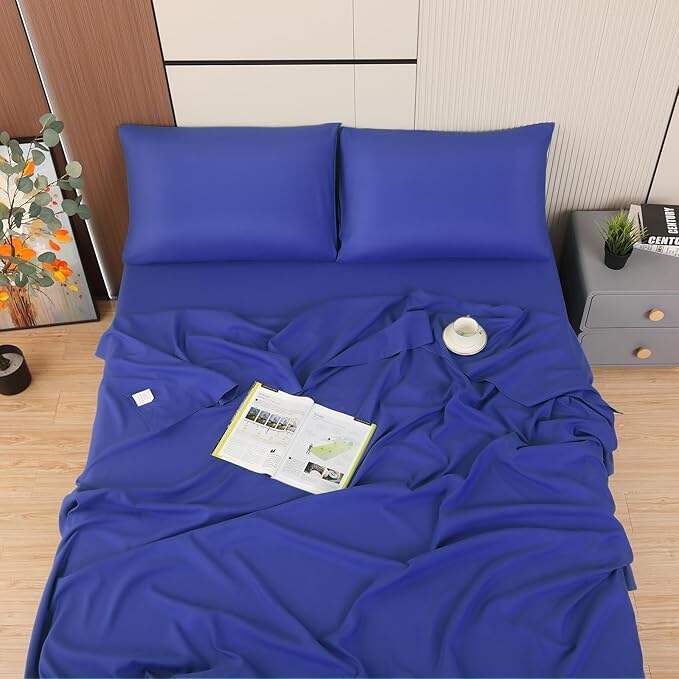
Cotton: The Gold Standard in Quilt Cover Fabric for Comfort and Breathability
Why Cotton Remains a Top Pick for Breathable and Soft Quilt Cover Fabrics
Most people still go for cotton when picking out quilt covers because it lets air through naturally and pulls moisture away from the skin. What makes cotton special is this little hollow space inside each fiber that keeps things moving. According to some research published last year in Textile Science Journal, this means cotton stays about 30 percent cooler than synthetic materials during those sleep tests they do. That kind of airflow really matters at night when we tend to sweat, which explains why nearly eight out of ten high end bedding companies stick with cotton as their main fabric choice. Another plus? Cotton gets softer every time it goes through the wash cycle. Synthetic blends just don't hold up like that; after a few months, they start feeling rougher instead of getting better.
Cotton Sateen Weave: Enhancing Sheen, Softness, and Durability
Sateen fabric is made by weaving one thread under three or four others, which gives it that shiny look similar to silk but costs about 60 percent less. The way these threads are packed together makes sateen much less likely to pill compared to regular cotton fabrics. Tests show it keeps around 98% of its softness even after being washed fifty times according to some research from Consumer Reports back in 2022. Many hotels choose sateen sheets because they hide stains well and can go through hundreds of industrial washes without getting thin or worn out. Some hotel managers actually report that guests prefer the feel of sateen over other materials despite the higher price tag.
Thread Count and Yarn Quality: What Defines Premium Cotton Quilt Covers
| Factor | Low-Quality Range | Premium Standard |
|---|---|---|
| Thread Count | 180-200 (prone to tear) | 300-400 (optimal) |
| Yarn Type | Short-staple fibers | Egyptian/Supima cotton |
| Pilling Resistance | 6/10 after 20 washes | 9/10 after 50 washes |
True quality hinges on fiber length long-staple cotton threads (≥1.5") weave tighter without compromising breathability.
Case Study: Long-Term Performance of 400-Thread-Count Cotton Sateen
A 5-year hotel linen study tracked 400TC sateen quilt covers through 1,200+ commercial washes. The fabric maintained 92% tensile strength and 0.3% shrinkage outperforming 600TC variants that developed microtears at 800 washes. Housekeeping logs showed 63% fewer replacement requests compared to cotton-polyester blends, proving high thread count paired with durable weaves maximizes lifespan.
Linen and Bamboo Blends: Sustainable Quilt Cover Fabrics for Eco-Conscious Homes
Linen Fabric: Natural Breathability, Temperature Regulation, and Sustainability
The open weave of linen lets air flow through about 15% better than regular cotton, which makes it great for people who get too hot or cold at night. Made from flax plants, this stuff breaks down naturally when disposed of, and needs way less water to grow too – around 70% less according to some research from Textile Sustainability Institute back in 2023. Another bonus? Flax just doesn't attract bugs as much, so farmers don't have to spray those harsh chemicals everywhere. That helps keep the soil healthy and supports farming methods that are kinder to the environment overall.
Bamboo and Cotton Blend: Softness, Eco-Benefits, and Processing Realities
Mixing bamboo and cotton gives us fabrics that are both soft like regular cotton and made from something that grows super fast. Some bamboo species can actually reach heights of three feet per day, making them pretty impressive plants. The good news is that growing bamboo takes about two thirds less water compared to traditional cotton fields. However, most bamboo fabric ends up being turned into rayon through processes that involve lots of chemicals. If someone wants something better for the planet, they should look for mechanically crushed bamboo linen instead. This version keeps those natural antimicrobial properties but skips all the harsh chemicals typically used in processing.
Performance in Humid Climates: Moisture-Wicking and Airflow in Sustainable Blends
In humidity tests, bamboo-linen blends absorbed moisture 30% faster than polyester while drying 50% quicker, reducing mildew risk. The combination of linen’s breathable weave and bamboo’s hollow fibers creates a quilt cover fabric that outperforms all-cotton options in tropical climates by maintaining consistent airflow even at 80% humidity levels.
Microfiber and Polyester Blends: Durable and Affordable Quilt Cover Materials
Microfiber’s Resistance to Wrinkles, Fading, and Daily Wear
What really sets microfiber apart is how well it holds up against everyday abuse yet still looks neat and tidy. These synthetic fibers are packed together so tightly that they just don't wrinkle or fade easily, no matter how many times they get tossed into the washer. That's why so many people living in busy homes or college dorms swear by microfiber bedding stuff since it gets washed constantly. And let's face it, regular cotton just can't compete when it comes to keeping dust mites and other irritants at bay. For folks who suffer from allergies, this smooth texture means fewer nighttime sneezing fits and better quality rest overall.
Cotton Polyester Blend: Balancing Natural Feel with Synthetic Resilience
When it comes to quilt covers, cotton-polyester blends combine what makes cotton comfortable with what makes polyester tough. The fabric doesn't stretch out of shape or shrink in the wash like pure cotton tends to do. Many manufacturers go with around 65% cotton and 35% polyester for their mid range products because this mix stands up to wear and tear better than regular cotton does, though it still manages to pull away sweat reasonably well. Another big plus is that these blended fabrics don't need nearly as much ironing as all cotton options, which saves time for people who are always running from one thing to another during the day.
Care and Longevity in High-Traffic Households
Washing microfiber and polyester blends in cold water with gentle detergents helps them last longer. Don't put these fabrics through hot dryers since synthetic materials tend to break down when exposed to heat for too long. Households with kids or furry friends might want to go for darker colors or patterned options that hide small spills and smudges until laundry day comes around again. According to some industry tests, if cared for correctly, these synthetic fabric mixes can stay strong and functional for anywhere from three to five years even with regular daily wear. That's actually twice as long as what we typically see from plain old linen or flannel without special treatment.
Luxury and Seasonal Options: Silk, Velvet, Wool, and Flannel in Quilt Cover Design
Silk and Silk-Blend Quilt Covers: Hypoallergenic, Temperature-Sensitive Luxury
The natural proteins in silk make it pretty good at keeping away dust mites and mold, plus it adjusts to whatever temperature our bodies need. That's why people who suffer from allergies often find silk bedding works better for them. According to research published in the Textile Research Journal last year, when blended with other materials, silk actually keeps surfaces at comfortable temps about 18 percent longer compared to those cheap synthetic stuff we usually see. What makes these silk covers really useful is how they stay cool during hot summers but somehow manage to keep us warm enough on cold winter nights too. The fabric wicks away moisture without feeling clammy, which matters a lot when trying to get proper rest.
Velvet for Tactile Richness and Winter Warmth in Modern Bedding
More winter bedding these days features heavy velvet quilt covers because of that thick pile which actually holds in warmth about 40 percent better than regular cotton does. Some newer velvets mix in breathable rayon fibers so people don't get too hot at night but still enjoy that luxurious feel. Velvet also tends to soak up light rather than reflect it, making colors look deeper and more vibrant. This matches what we're seeing in home decor right now where rich jewel tones are really taking off as the go-to choice for creating that sense of upscale comfort.
Wool and Flannel: Cozy, Insulating Fabrics for Cold-Weather Quilt Covers
The crimped nature of wool fibers creates those little air pockets we all know and love, which trap heat really well without making things bulky. Tests according to ASTM F1868 show wool actually handles humidity better than down does. Then there's flannel, where brushing creates that nice soft surface while also boosting warmth retention compared to regular cotton. Some studies suggest around a 25% improvement in thermal efficiency after brushing. These materials work great when temperatures drop below 60 degrees Fahrenheit. Wool stands out particularly because it can be worn throughout the year in places with moderate weather thanks to how it manages moisture dynamically. People living in such climates often find themselves reaching for wool clothing regardless of season changes.
Seasonal Rotation Trends: Matching Quilt Cover Fabric to Climate Needs
Around two thirds of upscale hotels have started changing their quilt cover fabrics with the seasons lately. They typically switch to lighter materials like silk or linen during warmer months, then go for heavier options such as velvet or flannel when it gets cold, based on recent industry reports from hospitality textile manufacturers. People living in areas where temperatures swing quite a bit often opt for layered bedding setups these days. Light wool works well for those transitional seasons like spring and fall, while thicker velvet becomes essential during harsh winters. The local weather really makes a difference in what kind of fabrics get used most frequently too. Heavier materials above 300 GSM tend to show up more often in places that experience severe cold conditions year after year.
Weave, Weight, and Finish: How Fabric Construction Shapes Quilt Cover Performance
Plain Weave vs. Sateen Weave: Feel, Luster, and Durability in Cotton and Blends
The crisscross design of plain weave makes it great for creating those crisp, matte quilt covers that breathe really well, which is why they work so nicely in hot weather areas. Cotton sateen takes a different approach though, with its special weaving method where one thread goes under then three go over, resulting in those shiny surfaces that feel smooth against the body. Plain weave definitely wins when it comes to letting air circulate freely, and most manufacturers use this type for their humidity controlling covers around 9 out of 10 times. On the flip side, people love sateen for its silky touch, making it a favorite choice among high end bedding collections despite being less breathable than plain weave options.
Brushed, Mercerized, and Other Finishes That Enhance Softness and Longevity
Mercerization involves soaking cotton fibers in a sodium hydroxide solution, which makes fabrics about 25% stronger according to some studies from the Textile Chemists Association back in 2021. Plus it helps dyes stick better and gives that nice shiny look people love. For those looking for something warm but not prone to pilling like wool tends to be, brushed finishes work wonders. They basically lift the fibers on the surface creating that soft flannel feeling we all know and enjoy. These kinds of fabric treatments are showing up quite a bit these days actually, maybe around 68% of high end quilt covers now feature them since shoppers want both how things feel against their skin and how they look hanging on the bed.
Matching Fabric Weight to Usage and Regional Climate Patterns
| Fabric Weight (GSM) | Best Use Case | Regional Suitability |
|---|---|---|
| 110–130 | Summer/Year-Round Lightweight Covers | Mediterranean, Tropical |
| 140–180 | Four-Season Versatility | Temperate Zones |
| 190–220 | Winter-Weight Insulation | Subarctic, Continental |
Leading manufacturers optimize GSM (grams per square meter) based on climate data 160 GSM blends dominate Scandinavian markets, while 120 GSM cottons lead Southeast Asian sales.
Data Insight: Consumer Shift Toward Brushed and Treated Finishes (2020–2023)
Demand for chemically stabilized finishes surged 45% post-2020, with 58% of buyers citing “reduced ironing time” as the key motivator (Global Home Textiles Survey 2023). This aligns with the 37% year-over-year growth in mercerized cotton quilt covers a tangible response to hybrid workers prioritizing low-maintenance bedding.
FAQ
Why is cotton a favored material for quilt covers?
Cotton is favored for quilt covers due to its natural breathability, moisture-wicking properties, and its ability to become softer with each wash.
What makes sateen cotton a popular choice?
Sateen cotton is popular for its silk-like sheen, softness, durability, and its resistance to pilling.
How do linen and bamboo compare as sustainable fabric choices?
Linen offers superior breathability and requires less water, whereas bamboo grows quickly but often requires chemical processing.
How should microfiber and polyester quilt covers be maintained?
These fabrics should be washed in cold water with gentle detergents and avoided in hot dryers to maintain longevity.
Table of Contents
- Cotton: The Gold Standard in Quilt Cover Fabric for Comfort and Breathability
-
Linen and Bamboo Blends: Sustainable Quilt Cover Fabrics for Eco-Conscious Homes
- Linen Fabric: Natural Breathability, Temperature Regulation, and Sustainability
- Bamboo and Cotton Blend: Softness, Eco-Benefits, and Processing Realities
- Performance in Humid Climates: Moisture-Wicking and Airflow in Sustainable Blends
- Microfiber and Polyester Blends: Durable and Affordable Quilt Cover Materials
- Microfiber’s Resistance to Wrinkles, Fading, and Daily Wear
- Cotton Polyester Blend: Balancing Natural Feel with Synthetic Resilience
- Care and Longevity in High-Traffic Households
- Luxury and Seasonal Options: Silk, Velvet, Wool, and Flannel in Quilt Cover Design
- Weave, Weight, and Finish: How Fabric Construction Shapes Quilt Cover Performance
- FAQ