EN
EN



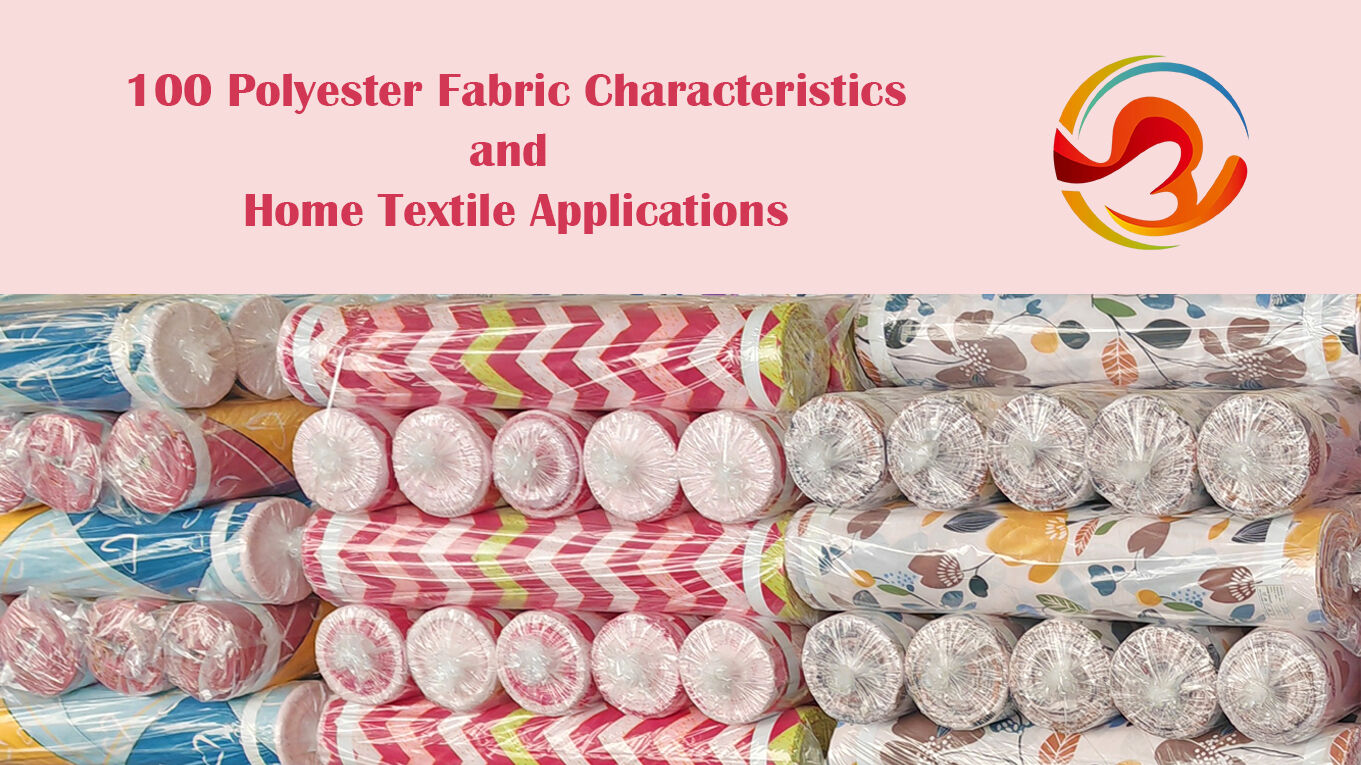
Performance Fundamentals of 100 Polyester Fabric
Durability, Wrinkle Resistance, and Dimensional Stability
Polyester fabric made from 100% synthetic fibers offers remarkable durability that makes it great for home textiles needing lasting performance. Think upholstery, window treatments, and those fitted cushions we all love but rarely replace. The material stands up better to stress points compared to cotton or most nylon mixes thanks to its impressive tensile strength range between 20 and 50 cN/tex according to tests done under ASTM D5034 and ISO 13934-1 standards. What really sets polyester apart is how resistant it stays to wrinkles. Even when compressed during storage or subjected to regular handling, these fabrics keep their shape without needing constant steaming or ironing sessions. Cotton lovers might notice something different here too – while cotton tends to shrink around 5% after washing, polyester barely changes size at all because of its water repelling properties and stable thermal characteristics. Properly manufactured polyester can handle well over 100 washes before showing any significant pilling issues, meeting requirements set forth in the ISO 12945-2 test method.
| Property | Performance Advantage |
|---|---|
| Tensile Strength | 20–50 cN/tex (outperforms cotton/nylon blends) |
| Shrinkage Resistance | Near-zero dimensional change after washing |
| Pilling Resistance | <2% after 100 washes (ISO 12945-2 standard) |
Moisture-Wicking, Quick-Drying, and Thermal Behavior
Polyester fabric naturally resists water absorption (less than half a percent relative humidity uptake) but works great for pulling sweat away from the skin. It moves moisture three times quicker than cotton does, which means clothes dry completely within around two hours under normal room conditions. This helps prevent mold growth in damp areas such as bathrooms where humidity levels tend to stay high. When it comes to temperature regulation, polyester manages both warmth and cooling pretty well. Because it doesn't emit heat as readily as cotton does, polyester retains approximately fifteen percent more body heat when comparing similar weights. That makes it good for making energy efficient blankets and throws for cold nights. Still need to be careful with heat though since polyester starts melting at about 250 degrees Celsius or 482 Fahrenheit. For best results, always use low heat settings when ironing or drying garments made from this material. Manufacturers have also developed special treatments and unique fiber shapes that reduce static electricity problems without affecting how the fabric performs overall.
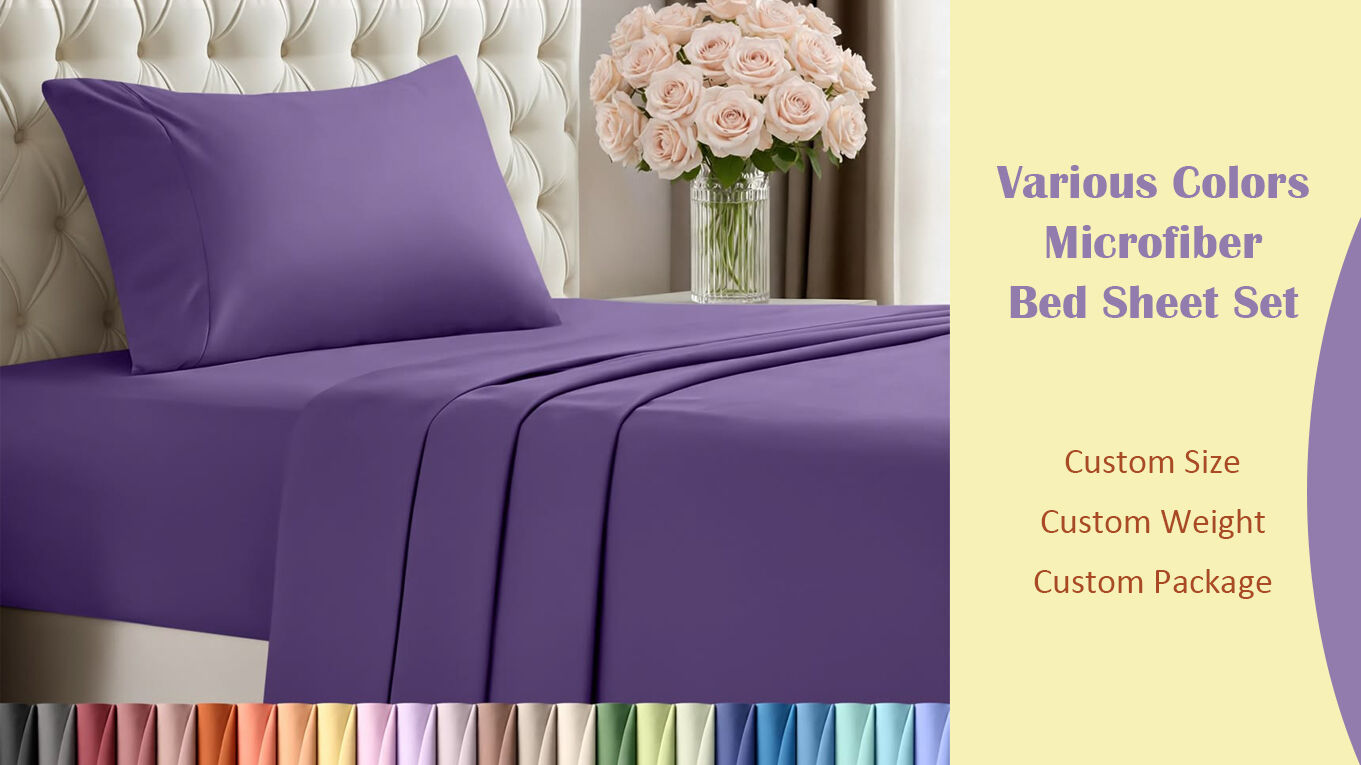
Comfort Considerations and Material Limitations of 100 Polyester Fabric
Breathability Constraints and Mitigation via Fabric Engineering
Polyester's natural resistance to water helps it wick moisture quickly and maintain shape, but this very property also means it doesn't absorb sweat directly from the skin. That can cause problems when someone is working out hard or stuck in humid conditions, leading to uncomfortable heat buildup. Without changes, sweat tends to collect on the surface instead of evaporating properly. Textile designers have found ways around this issue through clever structural tweaks rather than adding chemicals. They create special fibers with tiny pores that let air pass through better. Some fabrics feature yarns arranged in channels that help move sweat along, while others use weaving techniques like dobby patterns or open mesh designs to boost airflow. Tests according to industry standards show these modifications can enhance breathability anywhere from 30 to 50 percent without compromising the fact that the material remains pure polyester throughout.
Surface Feel Evolution, Static Control, and Melting Point Awareness
Old versions of 100% polyester got a lot of flak for being stiff and causing static cling problems, especially when it was really dry outside. Modern fabric treatments have mostly fixed these complaints thanks to better technology that doesn't wash away over time. For starters, special silicon softeners give the material a softer feel similar to cotton. Conductive polymers are now built right into the fibers themselves, so they fight off static electricity throughout their whole life. The surfaces also have tiny textures at a microscopic level that make them feel smoother to touch and less rough on skin. Despite all these improvements though, heat is still a big problem area. Polyester starts melting around 250 degrees Celsius or about 482 Fahrenheit. Anyone working with this stuff needs to be careful not to let it get too hot. Stay away from open flames completely, only use steam irons on the lowest heat setting possible, and stick to cool air drying whenever feasible to keep the fibers from warping or sticking together permanently.
FAQ Section
What makes 100% polyester fabric durable?
Polyester fabric is made from 100% synthetic fibers, offering high tensile strength which makes it more resistant to stress points compared to cotton or nylon blends.
How does polyester fabric handle moisture?
Polyester naturally resists water absorption but effectively wicks moisture away from the skin, drying clothes quicker than cotton.
Are there breathability issues with polyester?
While polyester's resistance to water aids in moisture wicking, it can cause heat buildup. Textile designers have enhanced breathability through structural modifications.
Does polyester fabric shrink after washing?
Unlike cotton, polyester shows near-zero dimensional change after washing due to its water-repelling and stable thermal properties.
What precautions should be taken with polyester fabric concerning heat?
Polyester starts melting at about 250 degrees Celsius or 482 Fahrenheit; therefore, use low heat settings when ironing or drying.